In Poland - carnation. In Italy - the mimosa. The floral symbol of Women’s Day
In Poland, Women’s Day was for decades inseparably associated with the red carnation. Interestingly, in Italy, 8 March — Festa della Donna — has its own unique symbol: the golden mimosa.
Mimosa – the Symbol of Women’s Day in Italy
Flowers have long been used to express emotions – love, gratitude, respect. Over time, they’ve also become symbols of solidarity, appreciation and social change. For International Women’s Day, one flower in particular stands out: the mimosa.
In Italy, 8 March — Festa della Donna — has its own distinctive symbol: the golden mimosa flower. The tradition began after World War II, when Italian activists were searching for a flower that would be affordable and widely available at the beginning of March. The choice fell on the mimosa, which blooms in the Mediterranean climate at that time of year and stands out with its intense yellow colour. In 1946, the mimosa was officially chosen by the Union of Italian Women as the flower that best symbolised Women’s Day. Its bright yellow shade became a visual emblem of the celebration — and to this day, on 8 March, the streets of Italian cities are filled with golden branches.
The mimosa symbolises strength, solidarity and feminine sensitivity. On this day, women give mimosa flowers to one another as a gesture of support and unity. Unlike the traditional Polish celebration, in Italy the holiday has a more social and sisterly character. Gatherings, dinners and cultural events are often organised, and the mimosa becomes a symbol of female solidarity.

What Does Mimosa Look Like?
Mimosa is not very popular in Poland, so many people may wonder what its flowers actually look like. Mimosa is a tree or tall shrub with:
💛 silvery-green, feathery leaves
💛 tiny flowers gathered in round, ball-shaped clusters
💛 a distinctive “fluffy” appearance
💛 intensely fragrant blossoms
Its scent is slightly sweet, fresh and noticeable even from a distance. In Italy, mimosa is often sold as whole branches rather than traditional bouquets — its natural form is part of its charm.


What Does Mimosa Symbolise?
Although its small, fluffy blossoms may appear delicate, mimosa is in fact a resilient and hardy plant. It is precisely this symbolism — the combination of subtlety and strength — that has made it a perfect emblem of femininity.
The meanings most often associated with mimosa include:
💛 women’s solidarity
💛 strength and independence
💛 sensitivity
💛 renewal and hope
Its sunny yellow colour is also linked to energy and optimism — as if spring were arriving exactly on 8 March.
Giving flowers on International Women’s Day – what really counts
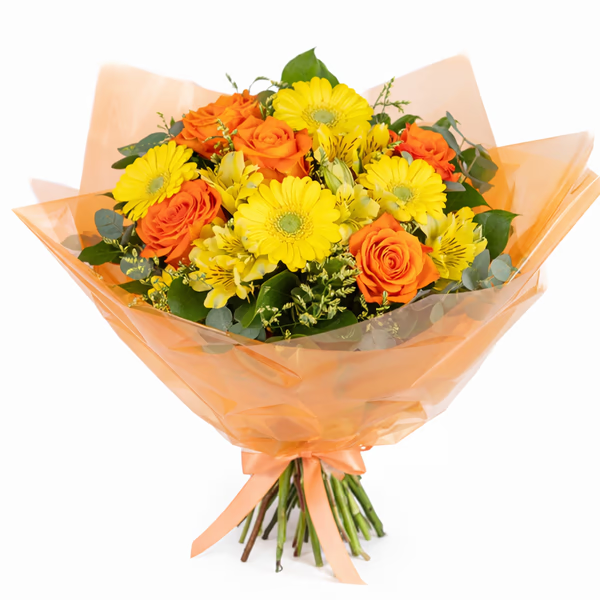
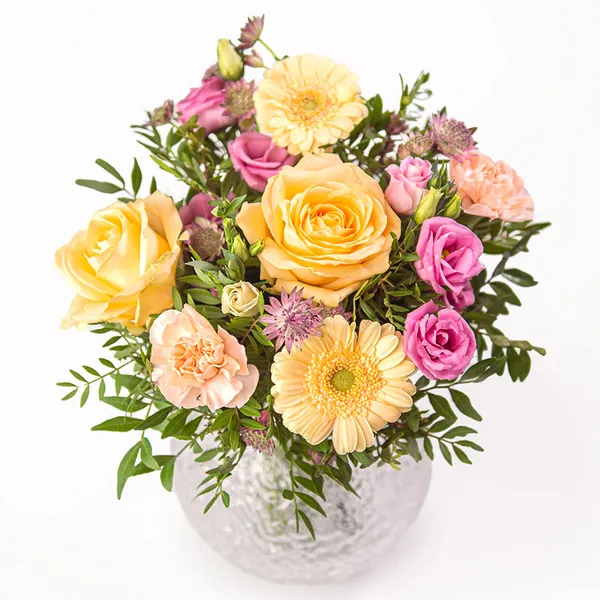
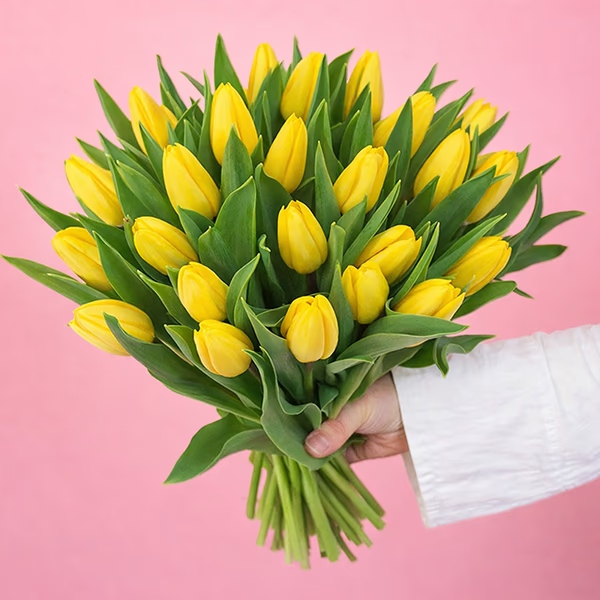
In different countries, the typical Women’s Day flower symbol may differ. In some places, tulips are popular, elsewhere roses or seasonal spring flowers take the lead. Each tradition reflects local history, culture, and simply - climate.
What truly matters, however, is not the specific flower. What matters is showing up. It is taking a moment to say “thank you,” to give recognition, to celebrate achievements both big and small, and to acknowledge the everyday strength, resilience, and care that often go unnoticed. It is about appreciating mothers, daughters, partners, colleagues, mentors, and friends. It is about recognizing professional successes, personal growth, courage in difficult moments, and quiet acts of support that shape families, workplaces, and communities.
The symbol may change from country to country — but the intention behind it should always remain the same: appreciation, equality, and genuine celebration.