Valentine's Day Minefield - What to Do When She Says "No Flowers, No Celebrations"
Your loved one said she does not want flowers for Valentine's Day, but you feel like she does not really mean it? Are you messing up by not doing anything?
The problem's made worse by friends insisting nobody means it, and work colleagues warning you'll look heartless arriving empty-handed. The minefield awaits. Join us below to navigate this modern relationship puzzle.
It's a mine! - You’re heading for a Valentine’s Day misstep if…
Let’s start with the obvious mistakes, where there’s no room for doubt.
Crossing boundaries, even when wrapped in romantic intentions, is still crossing boundaries. Here are Valentine’s Day mistakes that are almost guaranteed to backfire:
The most common mistakes:
- Over-the-top celebrations “for show”, where impressing others matters more than your partner’s actual preferences.
- Going too big too early in the relationship. Grand gestures after just a few weeks of dating can feel overwhelming or awkward.
- Booking restaurants or trips despite a clear refusal, lack of time, or other commitments.
- Sending Valentine's Day flowers to someone’s workplace when they value privacy and don’t like drawing attention to themselves at work.
- Overly personal or controversial messages on cards attached to romantic bouquets delivered to public places or offices. Others may end up reading them.
- Showing resentment or taking offence because your partner doesn’t want to celebrate Valentine’s Day with you.
- Comparing her to ex-partners who enjoyed and celebrated Valentine’s Day.
- Pretending you forgot about Valentine’s Day. From January onwards, nearly every shop is filled with hearts and Valentine’s decorations, so this excuse rarely sounds convincing.
Mixed signals - When women say they don’t want flowers… but actually do! And why it happens?
“Don’t buy me anything for Valentine’s Day.”
When women say this, it’s often not indifference. It’s emotional self-protection. Because it hurts less to pretend you don’t care than to hope for something that might not happen.
For many women, dismissing Valentine’s Day in advance is a way to avoid disappointment. Lower expectations. No quiet let-down at the end of the day. It’s safer to say you don’t like the holiday than to admit that a missing gesture could hurt.
And that context matters. Because when a woman says “I don’t want flowers,” it’s rarely about the flowers themselves. It’s about intention. About whether someone will think of her without reminders, without pressure, without being told what to do.
Valentine’s Day can feel like obligation instead of choice. That’s why so many women would rather receive flowers a day earlier. Or randomly. Or “just because.” Not because they dislike gifts, but because they want to feel chosen, not checked off a list.
This also explains the mixed communication. For many women, saying “I want flowers” feels demanding. Too much. So instead, they soften it. “You don’t have to.” Beneath that, there’s often a quiet hope that their partner will still make the effort.
But of course, sometimes “no Valentine's Day flowers” truly means no flowers. Allergies, pets at home, limited space. Those are real constraints and they deserve respect. Thoughtful alternatives matter. Hypoallergenic blooms. Pet-safe choices. Plants instead of cut flowers Or a meaningful note that carries the emotion.
The solution:
The best response to “don’t buy me anything for Valentine’s Day” is often not to drop the subject, but to gently ask one simple question: “why?” – without pressure, sarcasm or looking for an excuse to do nothing. Her response will be very helpful in evaluating her real attitude and expecations.

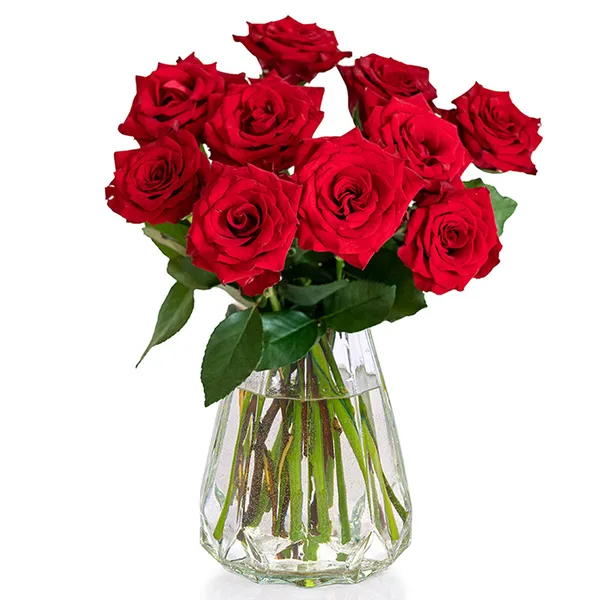
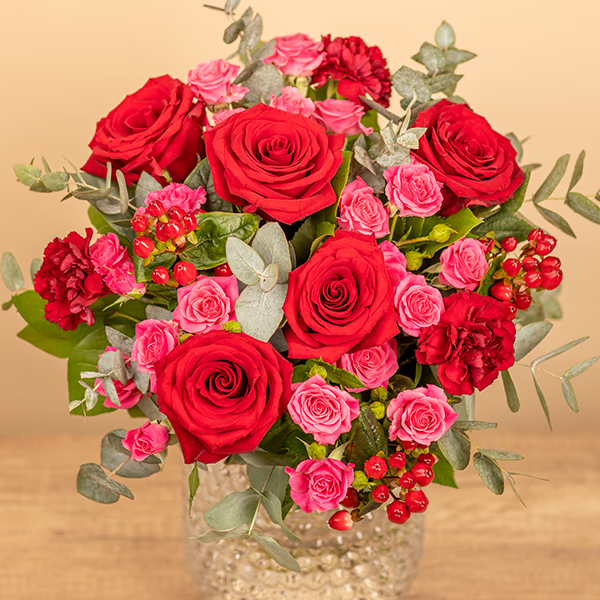
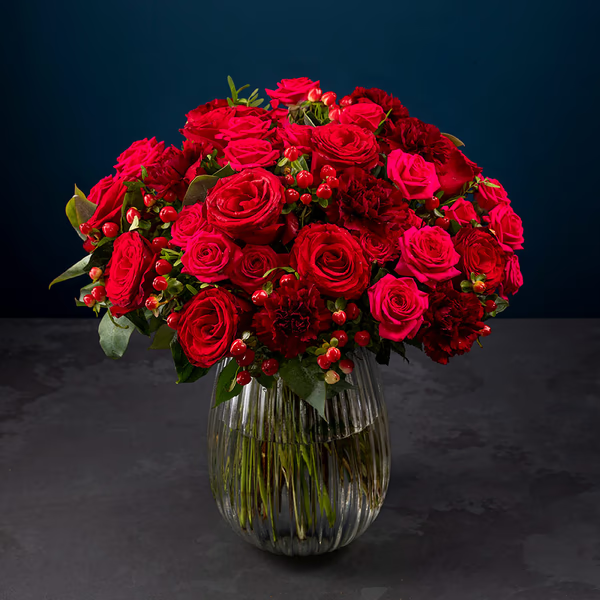
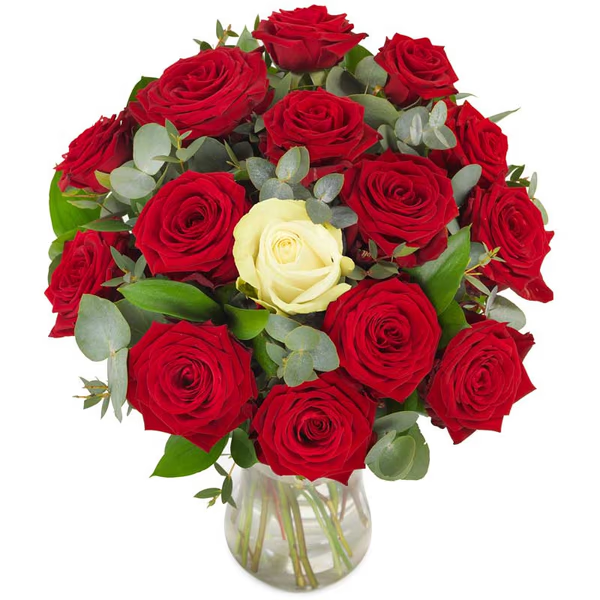
The Compromise Approach: Valentine's Day, but different
For some partners, Valentine’s Day itself isn’t the issue. What puts them off is how forced it can feel.
They may actually want to spend more quality time together or do something meaningful, just not in the typical, predictable Valentine’s Day way.
The good news is that Valentine’s Day doesn’t have to follow a script. You can absolutely celebrate it in a way that feels natural, personal and true to you both.
Some couples acknowledge the date without participating in traditional rituals.
Alternative approaches:
● Horror movie marathons replace rom-com viewings
● Takeaway from the greasiest possible restaurant
● Book exchanges instead of flowers
● Charity donations replacing chocolate purchases
● February 13th or 15th celebrations at normal prices
One couple volunteers at animal shelters every Valentine's Day. Another hosts anti-Valentine's parties for single friends. These traditions acknowledge the date while rejecting its commercial format.
Discuss preferences in advance. Surprises backfire when someone explicitly opted out.
Safe gift alternatives
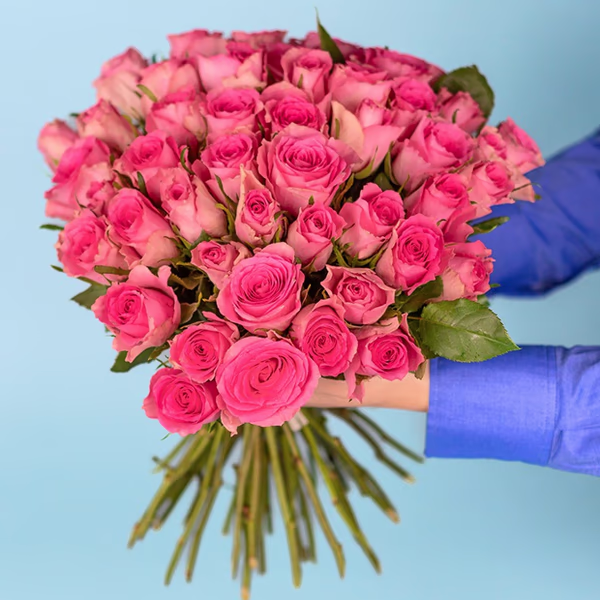
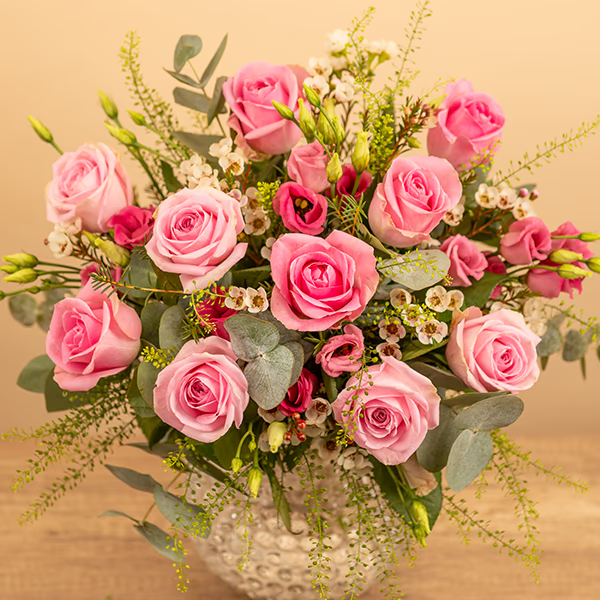
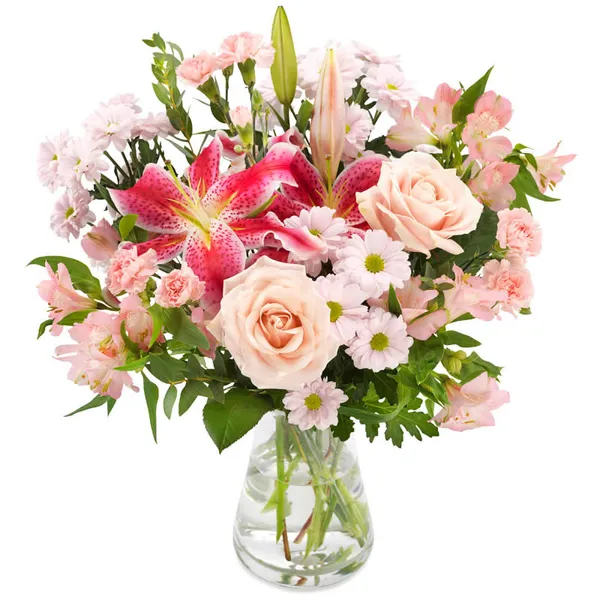
Flowers arrive as thoughtful surprises on the 10th. February 14th roses announce Valentine's participation despite her explicit opt-out. Same flowers, different messages, entirely based on calendar dates.
Skip objects altogether. April concert tickets for her favourite band work because they're about the music, not the holiday.
March cooking classes focus on skill-building together. Weekend trips planned months out show investment in the relationship beyond one commercialised day.
Readers appreciate books about their interests - mystery novels for crime fans, cookbooks for kitchen experimenters.
Plant parents want more green friends for their indoor jungle. If she mentioned coffee beans, those work. If she loves peonies, those work too.
The key: never mention Valentine's Day when giving anything in February. "Saw this and thought of you" works January through December without holiday baggage attached.

The new relationship dilemma
Three months or less creates unique challenges. Neither person knows relationship expectations yet. Valentine's Day forces premature decisions about romance levels.
New relationship options:
● Single flower, not a dozen red roses
● Funny card, not a sentimental declaration
● Home cooking, not five-star dining
● Morning text acknowledging the date humorously
"Happy Tuesday that happens to be in mid-February," acknowledges awareness without pressure. Her response guides your next move.
Long-term relationship strategies
Established couples face history. Previous Valentine's Days set precedents, whether positive or negative. Maybe she tolerated it before and wants a change this year.
January conversations prevent February arguments. "How should we handle February 14th?" opens dialogue without assumptions.
Understanding her objections helps find solutions. Financial stress? Set no-spend rules. Crowded restaurants? Cook at home. Forced romance? Focus on spontaneous gestures year-round instead.
Solutions depend on her objections. Commercial pressure requires different handling than traumatic associations. Someone who prefers daily romance needs different approaches than someone who objects to capitalism.