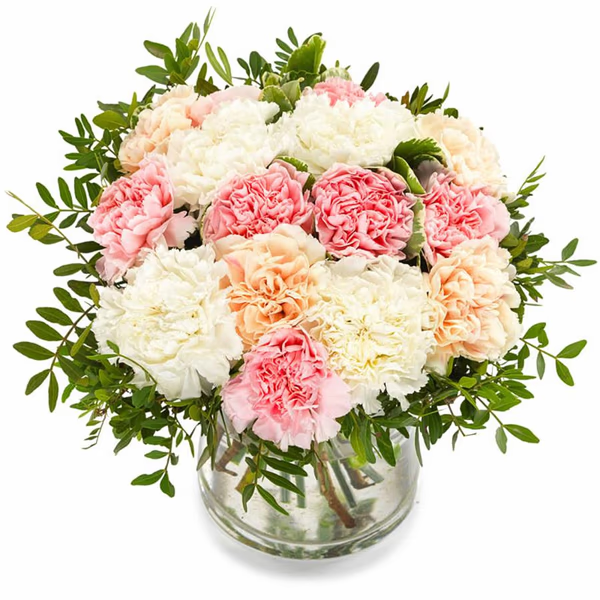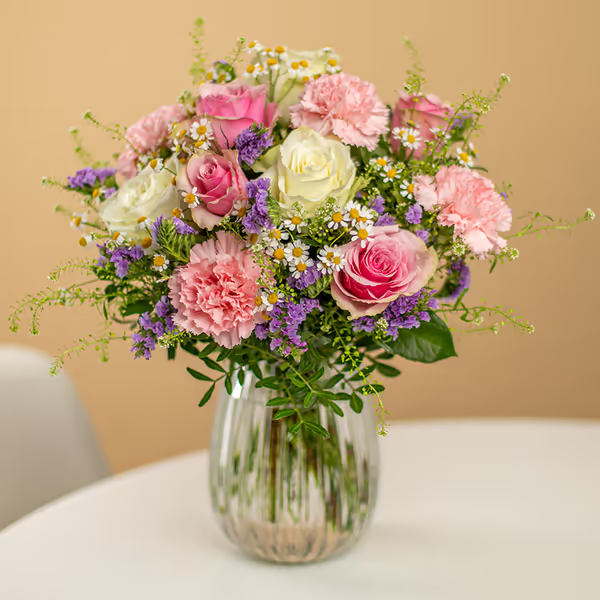
Carnations are among the most recognizable and cherished flowers — beloved for their long-lasting blooms and delicate fragrance. They come in many colors, each carrying its own meaning. Their ruffled petals, durability, and affordable price make them perfect for bouquets, decorations, and floral arrangements throughout the year.
COMMON NAME
Carnation
BOTANICAL NAME
Dianthus caryophyllus
ORIGIN
Mediterranean region
PEOPLE ALSO CALL IT
Clove Pink, Gilliflower
FLOWERING TIME
Year-round, with peak availability in spring and summer
ASPECT
Full sun
SYMBOLISM
Love, fascination, admiration, gratitude
Trim Stems: Cut the stems at an angle before placing them in a vase to allow better water absorption.
Remove Lower Leaves: Remove any leaves that would be submerged in water to prevent bacteria growth.
Use Floral Preservative: Add floral preservative to the water to extend the bloom's life.
Change Water Frequently: Refresh the water every two to three days to keep the flowers fresh and vibrant.
Keep in a Cool Spot: Place the vase in a cool area, away from direct sunlight and heat sources, to maximize the lifespan of the blooms.
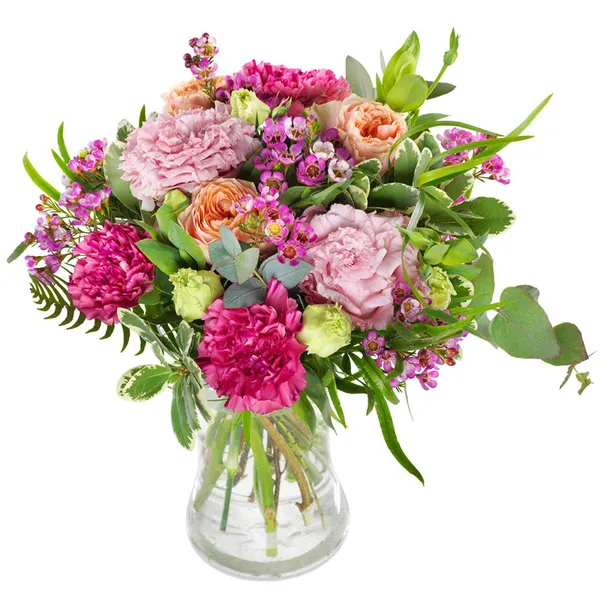
Carnations carry a wide range of meanings depending on their colour. Generally, they symbolise love and affection. Red carnations stand for admiration and deep love, while pink ones convey gratitude and remembrance. White carnations are often associated with purity and innocence, making them suitable for weddings and sympathy arrangements. Historically, carnations have also been used as a symbol of fascination and distinction.
The meaning of carnations in Poland
Carnations hold a very strong association in Poland with Women's Day (March 8th). During the communist era, the red carnation was practically the official symbol of this holiday — women received one at workplaces, schools, and government offices. That association remains alive today, though it tends to be viewed with some ambivalence — for some it is a pleasant gesture, for others a symbol of a bygone era.
Additionally, in Poland carnations — especially white and red ones — are one of the most popular choices for funerals and condolences. White ones symbolize purity and respect, red ones deep feeling and remembrance of the deceased. Their durability, resilience in autumn weather, and affordable price have made carnations a long-standing presence in Polish cemeteries — both in condolence wreaths and in All Saints' Day arrangements.
The meaning of carnations in Portugal
In Portugal, the carnation — specifically a single red carnation (cravo vermelho) — is a national symbol, tied to the Carnation Revolution (Revolução dos Cravos) of April 25, 1974, which overthrew the dictatorship and restored democracy. Soldiers and civilians placed red carnations into the barrels of rifles. To this day, April 25th is a national holiday and the red carnation remains its symbol.
The meaning of carnations in Spain
In Spain, carnations are deeply connected to folklore and tradition. They are a characteristic symbol of flamenco and appear at many popular festivals, such as the Feria de Abril in Seville.
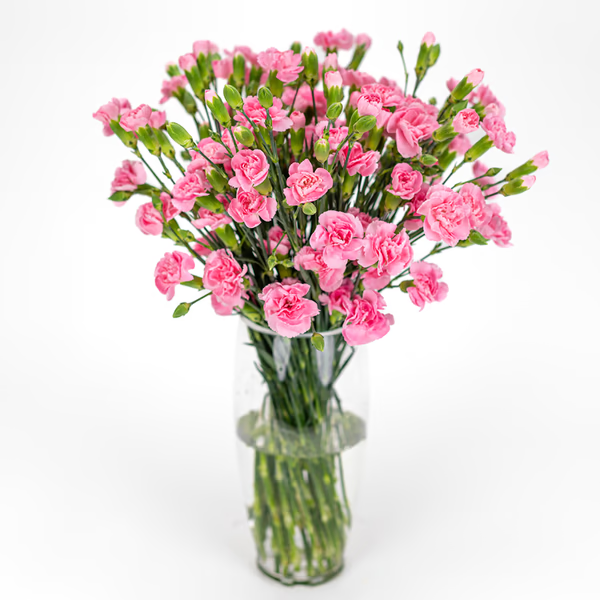
There are three main types of carnations: Large-flowered (Standard), Spray (Miniature), and Dwarf varieties. The Large-flowered carnations produce a single, large bloom per stem and are most commonly used in bouquets and arrangements. Spray Carnations have multiple smaller flowers per stem, making them ideal for adding volume and texture to arrangements. Dwarf Carnations are shorter with smaller blooms, often used in potted arrangements or garden borders. Each type offers different possibilities, making carnations suitable for various floral designs and purposes.
Carnations occupy a unique place in Polish culture and tradition. The red carnation became an inseparable symbol of Women's Day on March 8th — during the communist period, women received one almost everywhere: at work, at school, at government offices. Although those times have passed, the flower still stirs vivid memories, even if not everyone sees it the same way — to some it remains a warm, heartfelt gesture, to others a reminder of a system long gone.
Carnations also accompany Poles in moments of grief. White and red varieties are among the most commonly chosen flowers for funerals and condolence ceremonies. White carries a message of purity and dignity, red one of remembrance and sincere sorrow. Their resilience in the cold, long vase life, and modest price mean they have adorned Polish graves for generations — especially around All Saints' Day.
Carnations are popular flowering plants from the Dianthus family, known for their fringed petals and wide range of colours, including pink, red, white, yellow, and purple. They are highly valued in floristry for their long-lasting blooms and fragrance. Carnations have a rich history of use in floral arrangements, corsages, and as symbols in various cultures.
Bloom Duration: Carnations can bloom for several weeks, especially if they are well cared for. The flowers typically last 1-2 weeks in a vase when cut and maintained with fresh water and floral food.
Extended Blooming: In the garden, carnations can bloom from late spring to early summer, and some varieties may even rebloom later in the season if the withered flowers are removed.
Versatility in Floristry: Carnations are widely used in bouquets, floral arrangements, and boutonnieres due to their long vase life and variety of colours. They are often used in wedding and event decorations.
Symbolic Meanings: Carnations carry different meanings depending on their colour. For instance, red carnations symbolise admiration and deep love, white carnations represent purity and luck, while pink carnations are associated with gratitude and a mother's undying love.
Medicinal Uses: Historically, carnations were also used in herbal medicine for their anti-inflammatory and soothing properties. They were used in tea and tinctures to treat ailments like anxiety and digestive issues, although this use is less common today.
Typically, cut carnations last anywhere between 7 and 14 days in a vase with proper care. Carnations vase life entirely depends on how you care for them. Let’s dive into some tips to help your carnations last longer.
1. Hydrate the stems
Before placing the carnations in water, submerge the stems in a bucket or sink filled with lukewarm water for several hours. This gives them ample time to absorb the moisture. This little tip can help to rehydrate them thoroughly, leading to a longer vase life.
2. Avoid Overcrowding
Overcrowding refers to placing too many stems in a container that is too small — it can negatively impact their lifespan. This is because it restricts the flow of water to the stems, hindering their ability to hydrate properly. Overcrowding can also lead to increased bacteria growth. That’s why you must give your carnations space to breathe in the vase if you want them to last.
3. Use a Floral Preservative
If your bloom didn’t arrive with flower food, and you don’t have any to hand, you can create a homemade solution using white vinegar, sugar, and water. The vinegar helps kill bacteria, while the sugar provides nourishment.
4. Deepen the Cuts
Deepening the cuts on carnation stems can help increase water uptake, especially for those carnations that seem particularly thirsty or wilting. If any carnations seem particularly droopy, use a sharp pair of scissors or a floral cutter and make a small split in the bottom inch of the stem. Then immediately place the carnations in fresh, lukewarm water. It should be noted that while deepening the cuts can be beneficial for some carnations, excessive cutting can weaken the stems and shorten their lifespan. Use this technique sparingly and only on carnations that show signs of dehydration.
5. Nighttime Care
At night, move your carnations to a cooler location, such as a basement or garage. This slows down their metabolism and helps them stay fresh longer.
Carnations are among the longest-lasting cut flowers. With proper care, they can stay fresh for up to 1-2 weeks, and sometimes even longer.