Sunflower: The Radiant Flower of Joy

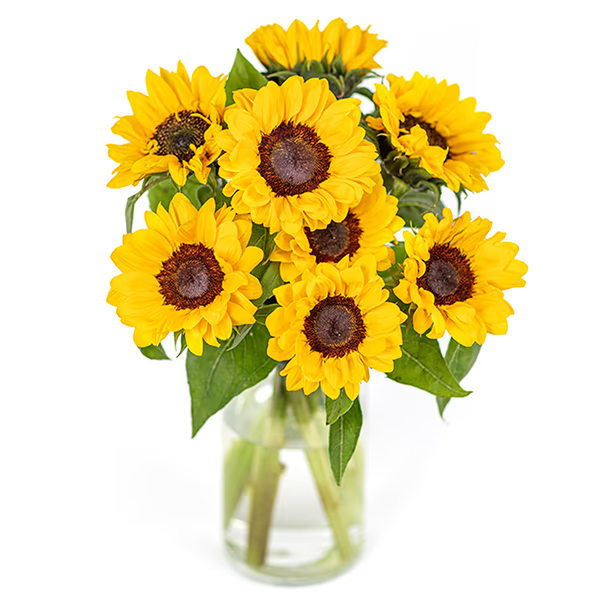
The sunflower is one of the most iconic and beloved flowers in the world. With its large, bright yellow petals and dark centre, it symbolises happiness, optimism, and warmth. Sunflowers are known for their unique ability to follow the sun throughout the day – a behaviour called heliotropism. Originally native to North and Central America, they were cultivated by indigenous cultures long before becoming a global favourite.


sunflower on a grey background
Fact icon

COMMON NAME

Sunflower

Fact icon

BOTANICAL NAME

Helianthus annuus

Fact icon

ORIGIN

North and Central America

Fact icon

PEOPLE ALSO CALL IT

Sunwheel, Flower of the Sun

Fact icon

FLOWERING TIME

Summer to early autumn (July to September)

Fact icon

ASPECT

Full sun

Fact icon

SYMBOLISM

Joy, strength, optimism, loyalty

Care Tips for Cut Sunflowers in a Vase

Trim the stems: Cut stems at an angle with a sharp knife to improve water intake.

Remove lower leaves: Strip off any leaves that will sit below the waterline to prevent rot.

Change water regularly: Replace the water every 2-3 days and clean the vase to prevent bacterial growth.

Use flower food: Add floral preservative to prolong freshness and support the blooms.

Keep cool: Place sunflowers in a bright but not too warm spot – excess heat can cause them to wilt faster.

Care Tips for Potted Sunflowers

Light requirements: Sunflowers need plenty of direct sunlight – place them somewhere they get at least 6-8 hours a day.

Watering: Keep the soil evenly moist but not soggy. Ensure good drainage to avoid root rot.

Soil: Use nutrient-rich, well-draining potting mix.

Fertilising: Feed once a week with a liquid fertiliser designed for flowering plants.

Support: Taller varieties may need staking to stay upright during wind or rain.
Symbolism & Meaning

Sunflowers are the ultimate symbol of joy, positivity, and hope. Their bright, sunny appearance brings cheer wherever they go, making them perfect for uplifting someone's mood or offering comfort. Sunflowers also symbolise loyalty and strength, as they turn toward the light and stand tall, even in harsh conditions. In many cultures, they are considered lucky charms and are associated with abundance and prosperity.

Types of Sunflowers

There are countless varieties of sunflowers, differing in height, bloom size, and colour. The classic Helianthus annuus grows up to three metres tall with large, golden-yellow heads. Dwarf sunflowers like ‘Teddy Bear’ are compact and perfect for balconies or pots. Some varieties, such as ‘Moulin Rouge’ or ‘Velvet Queen’, produce deep red or burgundy flowers, offering a dramatic twist on the traditional sunflower. Whether tall or small, yellow or dark red – sunflowers always bring a little sunshine with them. 🌻

Frequently Asked Questions About Sunflowers

No, sunflowers are non-toxic to cats. According to the ASPCA and veterinary sources, sunflowers are safe for cats. However, if a cat chews on the leaves or flowers, it might experience mild digestive upset like vomiting or diarrhea, but this is not due to toxins, just irritation.

No, sunflowers are also non-toxic to dogs. Like with cats, ingestion might cause mild stomach upset, but they are generally considered safe. Still, avoid letting pets chew on garden plants to prevent unnecessary tummy troubles.

Sunflowers should be planted from mid-April to early June, depending on your location and last frost date.

The soil temperature should be at least 10°C. In colder areas, wait until late spring.

You can start seeds indoors in April and transplant them outside after the frost, or direct sow them into the ground once the weather is consistently warm.

Sunflowers typically bloom from July to September, depending on when they are planted and the variety.

Some early varieties bloom in as little as 60 days, while tall or branching types may take up to 90-100 days to flower.

Most common sunflowers (Helianthus annuus) are annuals, meaning they complete their life cycle in one season.

However, some perennial sunflower species exist, such as Helianthus maximiliani or Helianthus tuberosus (Jerusalem artichoke), which come back year after year.

Choose a sunny spot: Sunflowers need 6-8 hours of direct sunlight daily.

Soil: They prefer well-draining soil, ideally enriched with compost.

Planting depth: Sow seeds about 2-3 cm deep, spacing them 20-45 cm apart, depending on the variety.

Watering: Keep the soil moist during germination. Once established, sunflowers are drought-tolerant but benefit from regular watering.

Support: Tall varieties may need staking, especially in windy areas.

Sunflowers take about 70-100 days from seed to bloom, depending on the variety:

  • Dwarf and early varieties: 60-70 days.

  • Large and branching types: 80-100 days.

With proper care, including cutting the stems at an angle, changing the water every 2–3 days, and keeping the arrangement in a cool location, sunflowers can last 7–12 days in a vase. Removing any leaves below the waterline and regularly cleaning the vase is essential, as sunflowers tend to cloud and contaminate the water more quickly than many other cut flowers.

Yes. Sunflowers are one of the most versatile flowers you can give as a gift. They are perfect for birthdays, name days and other summer occassions in Poland. Their bright appearance and positive symbolism make them suitable for virtually anyone, regardless of age or occasion.


Yes, but choosing the right variety is important. Dwarf sunflower varieties such as 'Teddy Bear' and 'Music Box' are ideal for growing in pots on balconies. They require at least 6–8 hours of direct sunlight per day, fertile well-draining soil, and regular watering. Tall sunflower varieties are generally not recommended for balconies due to their size and susceptibility to wind damage.

Yes, but only when they are young. During the growth phase, the sunflower stem rotates from east to west throughout the day and returns to its original position overnight. Once the plant matures and blooms, this movement stops — mature sunflowers permanently face east. This phenomenon is called heliotropism and applies only to growing stems, not to flowering blooms.