
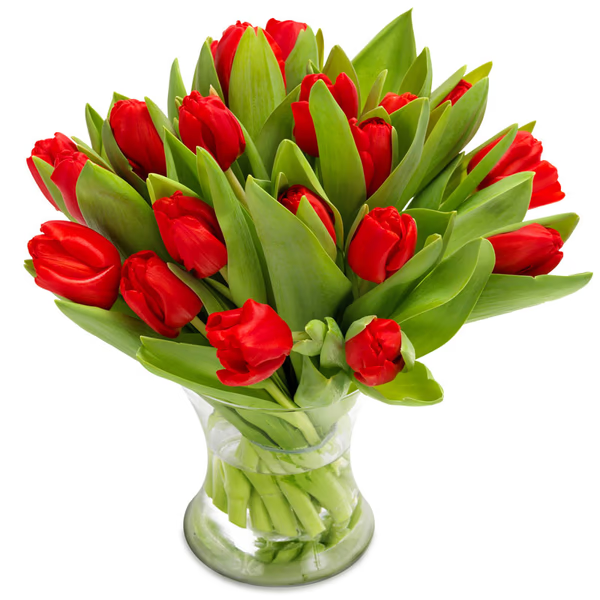
Red Tulips
Tulips: The Striking Symbol of Spring and Love
Tulips are one of the most beloved and recognisable flowers, known for their simple yet elegant cup-shaped blooms. Available in nearly every colour, tulips are versatile flowers suitable for romantic gestures, celebrations, and modern floral designs.


COMMON NAME
Tulip

BOTANICAL NAME
Tulipa spp.

ORIGIN
Central Asia and Turkey

PEOPLE ALSO CALL IT
Queen of the spring, Bulb flower

FLOWERING TIME
Spring (March to May)

ASPECT
Full sun

SYMBOLISM
Love, renewal, prosperity, elegance
They are closely associated with springtime and symbolise love, renewal, and elegance. Originating from Central Asia, tulips gained immense popularity during the "Tulip Mania" of the 17th century in the Netherlands, where they became a symbol of wealth and beauty.
Care Tips for a Cut Tulips in a Vase
Trim Stems at a Straight Angle: Re-cut the stems straightly before placing them in water for optimal hydration. Pro-tip from our experiences flower expert and florist Anette Nilsson: Keep the tulips in their wrapping the first hour when cut and placed into water to get the stems straight when they fill up the cells with water.
Use Cold Water: Tulips prefer cold water; replace the water daily to keep it fresh. Our flower expert Anette advises: Keep the water level in the vase low so that it just covers the lower part of the stems. Filling up the water a bit every day is better than adding a big amount of water at once. This is because when the stems are covered high in water, it stimulates the tulip to grow more which results in drooping blooms.
For more tips, see post: Tuilp care - How to make cut tulips last longer?
Which Vase Fits my Tulips Best?
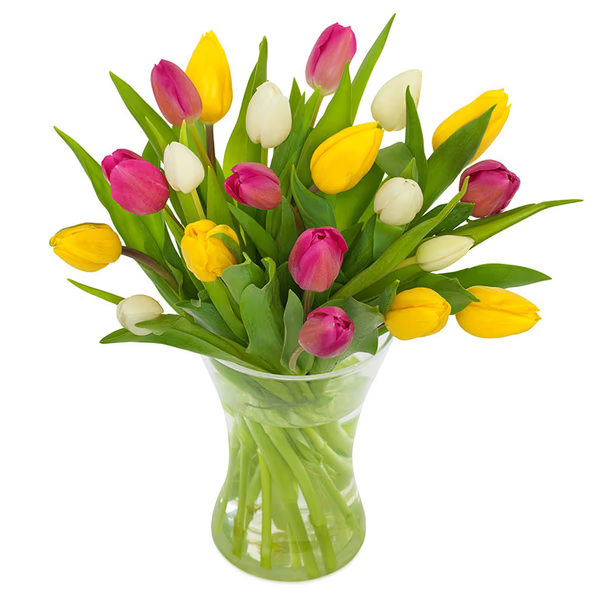
Classic tulip vase with wavy rim
When someone talks about a tulip vase, we often think of a vase with uneven and wavy edges. These are made especially for tulips. The shape gives them support as they stretch out towards the light.
Old-fashioned Dutch tulip vases
It used to be customary to put tulips in special vases with a separate hole for each flower. Such special vases were supposed to both show the beauty of the flowers and be a sign of wealth. Tulips were very expensive and were certainly not affordable by everyone. These typical Dutch vases used to be very common. Maybe you have been able to admire them in a museum?
Symbolism & Meaning
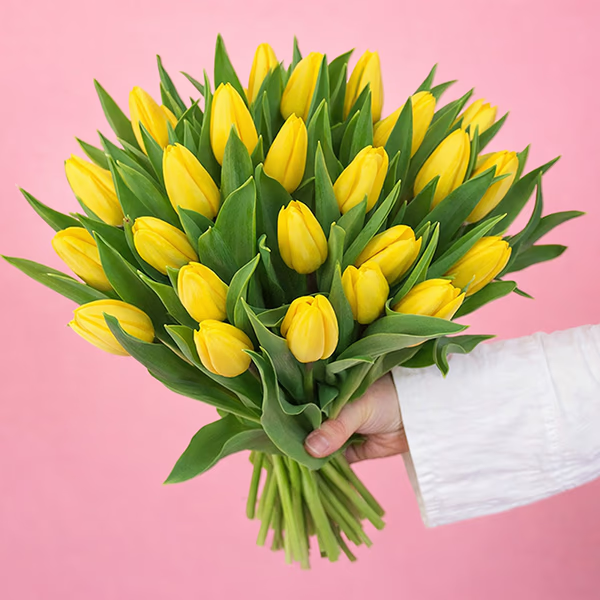
Wondering what tulips represent? They carry varied meanings depending on their colour. Red tulips symbolise deep and passionate love, while yellow ones represent happiness, friendship and cheerful thoughts. Pink tulips convey affection and good wishes, white tulips signify forgiveness and purity, and purple tulips symbolise royalty and elegance. As the flower for spring, tulips are often associated with fresh starts and renewal, making them a popular choice for gifts and celebrations of life’s milestones.
Types of Tulips
Tulips come in a wide range of varieties, categorised into different groups based on their bloom shape, size, and flowering time. Single Early Tulips bloom first in spring and feature classic cup-shaped flowers. Double Late Tulips are characterised by their lush, peony-like petals. Parrot Tulips have fringed, feathered petals that give a bold, exotic look. Fringed Tulips have petals with serrated edges, adding a unique texture. Triumph Tulips, a hybrid group, are known for their durability and vibrant colours, making them ideal for both gardens and arrangements.