Lily: The Elegant and Versatile Bloom
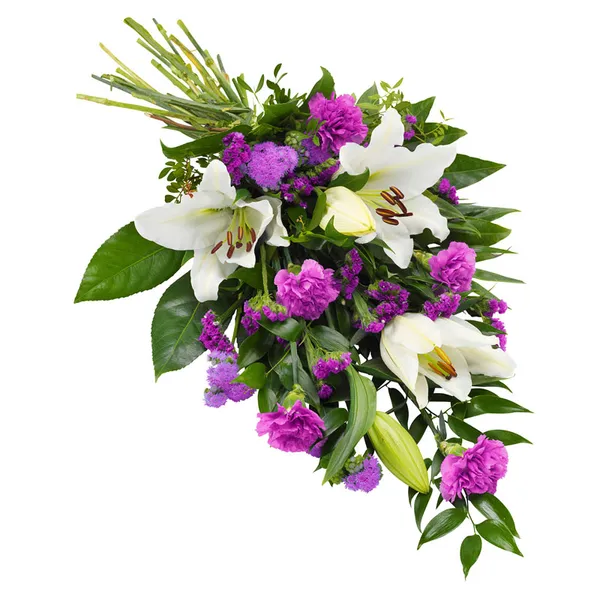
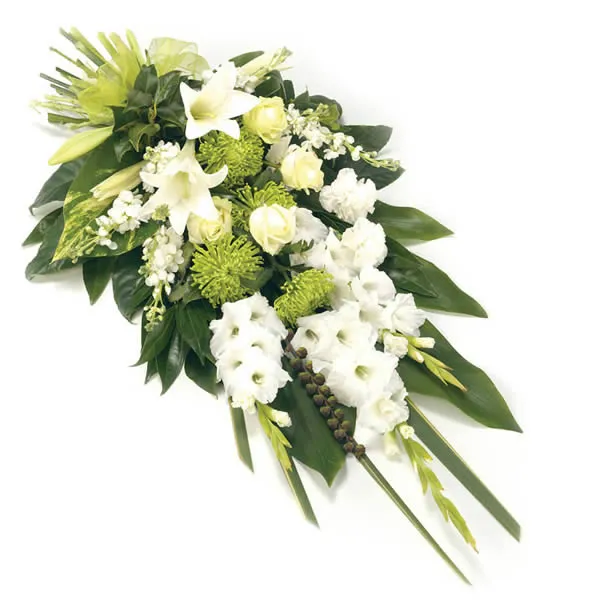
Lilies are among the most iconic and elegant flowers, cherished for their large, trumpet-shaped blooms and captivating fragrance. Thanks to their striking appearance, lilies are oftentimes the eyecatcher of floral arrangement. They are symbols of purity, renewal, and devotion, making them a popular choice for weddings, religious ceremonies, and sympathy arrangements. Their diverse types range from the classic Easter Lily to the bold Asiatic and Oriental hybrids, each offering unique characteristics.

COMMON NAME
Lily
BOTANICAL NAME
Lilium spp.
ORIGIN
Northern Hemisphere (Asia, Europe, North America)
FLOWERING TIME
Summe (June to August)
ASPECT
Full sun to partial shade
SYMBOLISM
Purity, renewal, devotion, passion
Care Tips for Cut Lilies in a Vase
Lilies have long, upright stems, so they need a deep vase to accommodate their height. A short, wide vase will not adequately support them. Look for a narrow vase that lets the buds open gracefully without restriction.
Clean the Vase
Wash and rinse your vase to remove any bacteria or dust that might contaminate the water and block water flow into the stems.
Remove Foliage Below the Water Line
Leaving leaves sitting in the water will shorten the vase life of your lilies. Carefully strip off any leaves falling below the water line before placing the stems, paying attention to the lower part of the stem, where leaves are the densest.
Cut the Stems at an Angle
Trim each lily stem at a 45-degree angle with a blade or shears to allow more surface area for the stem to absorb water and remove any leaves or secondary buds that would sit below the water line in your arrangement.
Fill the Vase with Lukewarm Water
Lilies do best when hydrated with lukewarm water, which moves up the stems faster than cold water. Fill your cleaned vase about halfway with lukewarm water before arranging the lilies. The water level should reach about 2-3 inches below the stem ends. Too little water will lead to dehydration and wilting. Too much can leave foliage submerged.
Add Your Flower Preservative
Flower preservative is essential for keeping cut flowers like lilies fresh longer. The preservatives inhibit bacterial growth and provide nutrients to the blooms. Use the correct amount for the volume of water per the product directions.
Place Your Lilies in a Dry, Cool Spot
Once arranged in the vase, display your lilies away from direct sunlight and away from heat sources like appliances or heating vents.
Replace the Water Every Two Days
Over time, the water in your vase will develop bacterial growth. Freshening the water every other day gives your lilies a new water source. You can also retrim the stems by about half a centimetre each time to expose fresh parts that can take up water.

Common Types of Lilies
Asiatic Lilies
Asiatic lilies are shorter plants under 3 feet tall. They bloom in early summer with 3-6 flowers per stem. Colours include red, yellow, white, pink, and orange. Most lack fragrance but have beautifully coloured blossoms.
'Netty's Pride' has deep purple petals fading to white tips, facing upward on 2–3-foot stems. 'Rosella's Dream' bears pink blooms with cream throats. For dark drama, 'Night Rider' has nearly black petals. 'Starlette' combines red and orange. 'Enchantment' has vivid orange petals with spots.
Smaller dwarf varieties like 'Orange Pixie' and 'Denia Pixie' reach just 8-18 inches with abundant colour. Asiatic lilies work well in bouquets and as accent plants.
Oriental Lilies
Oriental lilies are intensely fragrant, blooming in midsummer. Flowers nod downward and may be spotty. Plants reach 2-4 feet tall.
Popular varieties include 'Casa Blanca' with large white blooms, 'Muscadet' in creamy white with pink markings, and pink 'Magic Star'. 'Tiger Moon' combines cream, yellow, and red.
These make excellent cut flowers, releasing scent into arrangements. The large blooms also stand out in gardens.
Longiflorum Lilies
Longiflorum lilies are commonly called Easter lilies. They produce elegant white trumpet-shaped blooms on 2–4-foot stems in summer.
'White Heaven' has pure white trumpets with yellow throats. 'White American' is a tougher hybrid with orange anthers – ideal for floral weddings and events.
The Easter lily traces its origins to the Ryukyu Islands of Japan, with Lilium Longiflorum bulbs brought from the Ryukyu Islands to the United States.
At first, the temperamental lilies did not thrive in the U.S. climate. After years of effort, Louis Houghton was the first to force the lilies into bloom around Easter in 1919.
LA Hybrids
LA hybrids combine traits of Asiatic and Longiflorum lilies. They lack fragrance but produce vividly coloured, upright-facing flowers on tall stems.
'Corleone' has bright red blooms with orange shading on 4-foot stems. 'Big Brother' bears huge 10-inch white and yellow flowers on 5-foot plants. 'Forza Red' has a bold, solid red colour on thick stems. These make stunning focal point cut flowers.
Trumpet Lilies
Trumpet lilies have large, intensely fragrant flowers in summer, with the blooms facing outward on upright 90–150 cm stems.
'Regale' is known for elegant white blooms with pink and yellow. 'African Queen' bears huge orange blooms with tropical appeal. 'Golden Splendour' lives up to its name with golden yellow petals. The 'Pink Perfection' group offers bright pink or purple options.
The powerful scent makes trumpet lilies ideal for cut flower arrangements and perfumed gardens alongside smaller flowers like gerbera daisies.
Stargazers
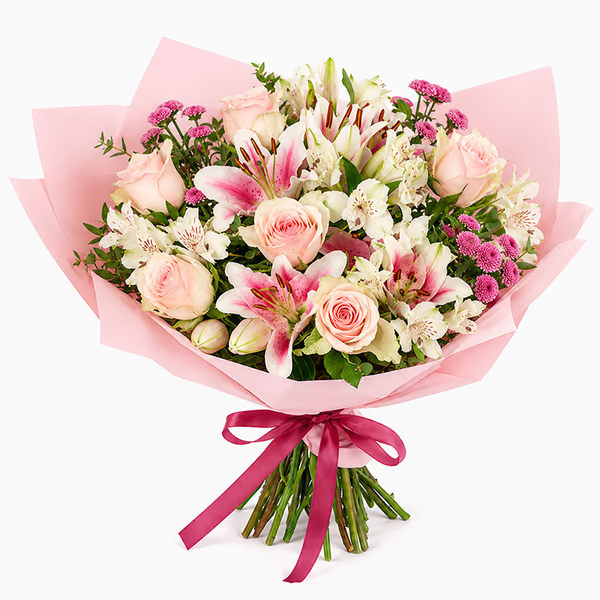
First introduced in the 1970s, these blooms face upward, displaying their vibrant colours with striking crimson and pink with tiny white edges. A dusting of reddish spots adorns the centre of each flower, which can reach up to 6 inches across.
Their vivid colour makes them stand out in floral arrangements. Stargazer lilies also emit a lovely scent, filling any space with their fragrance.
Martagon Lilies
Martagon or Turk's cap lilies produce nodding flowers in summer on very tall 4–6-foot stems. Colours include red, yellow, orange, pink, and white, sometimes with spots.
'Dalhansonii' is a popular antique variety with honey-coloured blooms. The profuse flowers and height make martagon lilies ideal back-row plants for borders and cutting gardens.
Canada Lilies
Native Canadian lilies thrive in the shade with pendant flowers in yellow and orange. Plants reach 2-4 feet tall with whorled leaves and 5-20 blooms per stalk.
This versatile North American native adds its own charm to wooded gardens and arrangements. The nodding flowers and cool colours stand out.
Consider bloom time, colour, height, fragrance, and direction when choosing lilies. With so many classics, finding the perfect lilies for floral designs is easy.
Which lilies are most commonly available in Polish florists?
In Polish flower shops, the most commonly available lilies are Oriental lilies (valued for their fragrance) and LA hybrids (appreciated for their durability and large blooms). Martagon lilies and Canada lilies are rarely available as cut flowers in Poland.
Oriental Lilies
Oriental lilies are the true queens of Polish flower shops. Their intense, sweet fragrance makes them a favourite choice for bouquets intended for special occasions such as birthdays, anniversaries, Mother’s Day, and Valentine’s Day.
The most popular variety is 'Casa Blanca', known for its large, pure white flowers. Pink and crimson Stargazer lilies are also highly sought after, admired for both their striking appearance and wonderful scent.
Thanks to greenhouse cultivation, Oriental lilies are available in Polish florists throughout the year.
LA Hybrid Lilies
LA hybrids are becoming increasingly popular in Poland, especially among florists. They combine large, eye-catching flowers with exceptional vase life, often remaining fresh for up to two weeks.
Unlike Oriental lilies, LA hybrids are generally fragrance-free, which many customers consider an advantage, particularly in homes, offices, or for people sensitive to strong scents.
They are available in a wide range of colours, including pure white, yellow, pink, orange, and deep red, making them a versatile choice for both modern and classic floral arrangements.
Meaning of Different Lily Types
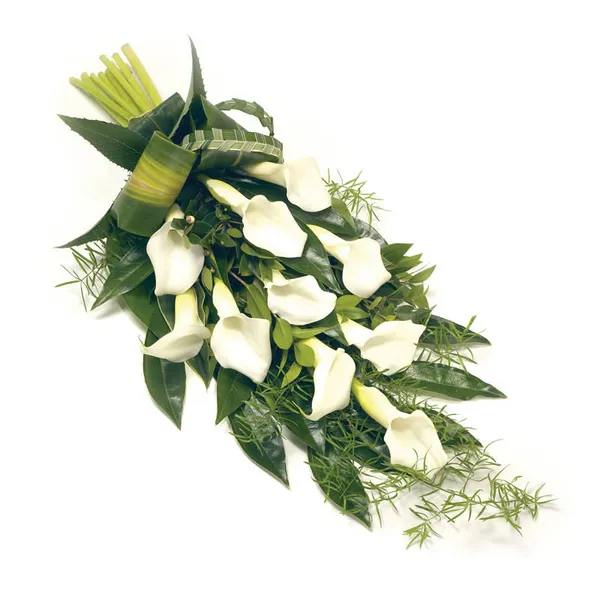
Lilies are such elegant flowers with their trumpet-shaped blooms on their tall, slender stems having a majestic aura. But each type of lily has a special meaning based on its colour and look. Take the classy white Calla Lily. It's all about purity and holiness. No wonder it shows up in paintings of the Virgin Mary so often!
Then you've got the bold orange tiger lily representing confidence and prosperity. Pink stargazers are said to mean abundance, while red lilies scream passion. And how cool are black lilies, with their deep burgundy colour symbolising rebirth? There are loads more, too.
Sunny yellow lilies stand for joy, pinkish and purple Asiatics for femininity, the trumpet-blowing Easter lily for new beginnings - lilies really cover it all. Even multi-colour lilies like the red and yellow Brindisi lily can signify friendship.
With all the different hybrids out there now, the options are endless. A ruffly pink Rosato lily whispers refinement, while the two-toned Two Face mixes scarlet and yellow for an upbeat vibe ideal for thank you and get-well-soon flowers.
Frequently Asked Questions About Lilies
Lilies (Lilium species) typically bloom from spring to late summer, depending on the type:
Asiatic lilies: Early to mid-summer
Oriental lilies: Mid to late summer
Trumpet lilies: Mid-summer
Daylilies: Throughout summer with repeat blooms in some varieties
The timing can vary based on the climate and growing conditions.
Lilies expert Raymond Vijverberg, experienced lily grower and co-owner of Qualily lily farm, however, mentions that lilies can be bought all year round and that cultivation time in the greenhouse is about 11 weeks.
Yes, lilies are extremely toxic to cats. Even small exposures, such as ingesting pollen, licking the petals, or chewing leaves, can cause severe kidney failure or death in cats. This includes many types of lilies like Easter lilies, Asiatic lilies, and Oriental lilies.
If a cat has been exposed, seek immediate veterinary care.
While lilies are less toxic to dogs than cats, some varieties can still cause gastrointestinal upset if ingested. Peace lilies and Calla lilies, which are not true lilies, contain insoluble calcium oxalates and can irritate the mouth and throat.
True lilies like Easter lilies may cause more severe symptoms, so consult a veterinarian if ingestion occurs.
Lily expert Raymond Vijverberg from the Qualily lily farm advises the following:
Deadhead the Flowers: Remove spent blooms to prevent seed production and conserve the plant's energy for bulb growth.
Keep the Leaves: Allow the foliage to naturally yellow and die back. This helps the bulb store energy for the next blooming cycle.
Reduce Watering: Once the foliage has died back, reduce watering significantly to allow the soil to dry out.
The key to long-lasting lilies is using a clean vase, changing the water frequently, keeping them in a cool spot and usingfloral food. Recut the stems every few days for better water uptake, and don't let any foliage sit in the water.
Lilies last 7-12 days in a vase, with wilting and browning usually occurring by day eight. However, this depends on several factors.
First, the variety of lilies makes a difference. Some hybrid lilies, like Asiatics, wilt quickly, while others, like LA hybrids, can look lovely for up to two weeks.
Second, the maturity of the blooms when cut impacts their longevity. Lily buds just about to open will generally last longer than flowers cut in full bloom – that's why we always send our lilies in the bud.
Third, environmental conditions play a role, with warm, dry air and direct sunlight tending to shorten a lily's vase life. Cool, humid conditions prolong it.
Finally, proper care practices can dramatically extend the time lilies remain vibrant after cutting. Proper handling and nourishment can double or even triple how long cut lilies last in a vase, giving you up to two weeks of joy.
When putting lilies in a vase, you'll want to use the right water level to keep them looking beautiful for longer. Fill the vase halfway so the stem ends are covered by water. For slim vases, that's usually enough. Refrain from overfilling since too much water can make the stems rot.
Change the water every 2-3 days, cutting the stems again and removing leaves below the water line. You'll want to use less water each time you trim the stems and sprinkle in a little more flower preservative for the best results.
Yes. The pollen of oriental lilies and Stargazers intensively stains fabrics, tablecloths, and furniture — and the stains are difficult, and often impossible, to remove. To avoid this, it is best to remove the stamens as soon as you put the lilies in the vase, ideally before the anthers open and start releasing pollen. The easiest way to do this is gently, using a tissue or piece of paper — avoid touching the anthers with your fingers, as the pollen transfers immediately. If pollen does land on fabric, do not rub the stain — let the pollen dry and remove it with dry adhesive tape or a soft brush.
Not all lilies are fragrant — the scent depends on the variety. The most intense, sweet fragrance comes from oriental lilies, including the popular Stargazer and 'Casa Blanca'. It is precisely their scent that makes them dominant in Polish florists and bouquets for special occasions. Trumpet lilies are also strongly fragrant and can fill an entire room with their aroma. Asiatic lilies and LA hybrids, on the other hand, have virtually no scent — which for many people, especially allergy sufferers, is a significant advantage. If fragrance matters to you, choose oriental or trumpet lilies. If you prefer a bouquet without an intense aroma, go for Asiatics or LA hybrids.
Yes. White lilies are one of the most popular condolence and funeral flowers in Poland. They symbolise purity, innocence, and renewal — values deeply associated with saying farewell to a loved one. The most commonly chosen varieties are white oriental lilies, valued for their elegant appearance and subtle fragrance. White lilies frequently appear in funeral wreaths, condolence bouquets, and coffin arrangements, as well as in church decorations during funeral ceremonies. It is also worth noting that lilies make a thoughtful choice to send to the family of the deceased as an expression of sympathy and remembrance.