
Hint of Grace
How to Get Lily Pollen Out of Clothes
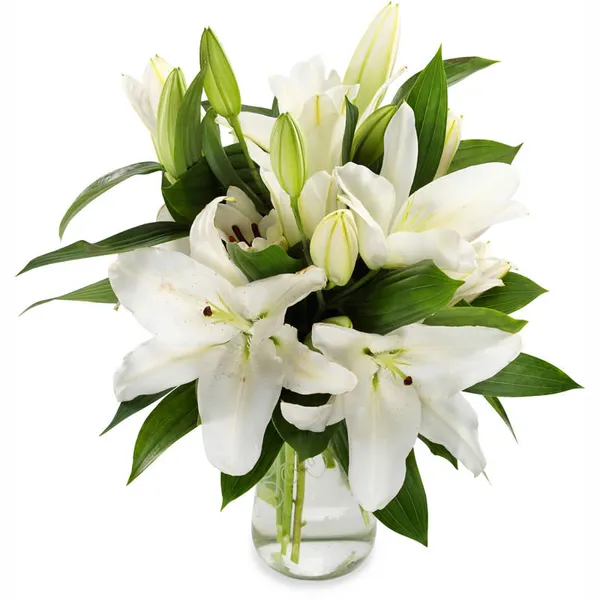
Lilies are stunning, star-shaped flowers that instantly add a wow factor to any arrangement. However, some varieties produce a large amount of pollen, which can easily transfer onto clothing and leave stubborn stains. Here are the best tips for removing lily pollen from clothes.
Lily pollen is a powder, and adding moisture to it, either from a rigorous wash cycle or rubbing it with a wet cloth, will work the pollen into the fibres. What’s needed is some dry, mechanical removal prior to moisture. The pollen is yellow, orange, or reddish-brown, so it's easy enough to see. It’ll also smudge when rubbed into a dark yellowish spot, sometimes with streaks.
The best way to remove pollen 101: do it dry
Locate the pollen on your clothing and use sticky tape to lift the dry pollen away from the fabric. Brown parcel tape or Sellotape will do. A sticky tape will remove smudged and set-in lily pollen to a point, but not all of it.
Apply the tape to your clothing gently and lift it away. DO NOT PRESS HARD ON THE TAPE. Instead, gently press it down and let the adhesive do all the work.
Pull the tape away, and you’ll hear that satisfying ‘shcleeek’ noise. The adhesive side of the tape should be yellow and contain small pollen particles.
The unlucky sods among you might have lily pollen all over your clothes. Stretch your garments over an ironing board and pat them with the tape that way.
Adhesive tape works best on loose, dry pollen. It may remove some particles from a lightly marked area, but it is generally much less effective once the pollen has been rubbed into the fabric or the stain has become set.
Expert tip: Use a can of compressed air to spray the pollen off your garment. Place the can sprayer inside your clothes and spray outwards to release the particles.
Important: Compressed air can spread pollen through the room and onto people, animals or other surfaces. If used, it should only be done outdoors, away from the face and away from pets. Gently shaking the garment outside or using a handheld vacuum held just above the fabric is a safer alternative

The next step: pre-treatment
Always check the care label and test the washing product on a hidden area.
Spray your fabric detergent diluted in water (the garment’s care label and the detergent manufacturer’s instructions should determine how much product is used and whether it should be diluted) on the spots where pollen has worked its way into the fabric.
Then take a sponge - not a cloth - and dampen it in clean water. Use that sponge to blot the wet spot on your clothing and lift the liquid from the fabric.
Squeeze out the sponge between blotting to remove the dirty detergent. Keep your sponge damp with clean water and repeat until your clothes are almost dry.
The final step: wash your clothes as normal
In your washing machine or sink, it doesn’t matter. Your clothes can be cleaned with the same detergent you usually use without any additional cleaning agents.
The lily pollen was removed with the tape and softened with your spot treatment. The final wash cycle will clean your clothes in general and wash through any remaining pollen.

Dealing with visible lily pollen stains after washing
Lily pollen can stain your clothing if it’s left to sit for ages, or even after only a few hours left out in the sun, which bakes the pollen into the fabric.
Your white clothes are most likely to show pollen stains. They appear as yellowish marks that can appear dirty due to the pollen picking up contaminants.
The way to get stubborn lily pollen stains out of your clothes is with a more aggressive pre-treatment using a higher detergent quantity for longer. You can let the spot treatment sit and then rinse it through a running tap (The recommended treatment time should come from the product instructions).
Try to avoid repeatedly running your stained clothes through the washing machine without additional pre-treatments. Doing so will only stress your clothing. It’s best to work the area as much as possible before hitting that cycle again.
Preventing lily pollen from getting on your clothes
Lily pollen is an easy enough thing to remove from your clothes with tape and a pre-wash treatment, but it can still force you to change early and annoy you.
To avoid lily pollen on your clothes:
- Tie your lilies together in the vase to prevent them from spreading outwards
- Move your lilies to the centre of your bunch if you have a mixed bouquet
- Place your bouquets away from the edges of tables and windowsills, where your arms might brush past
Lily alternatives if the pollen is a problem
Lilies have a fair amount of pollen that’ll brush off on your clothes. These flowers are equally stunning but are are a safer choice:
Buy bouquets with these as the lead flowers, and you’ll avoid lily pollen altogether.