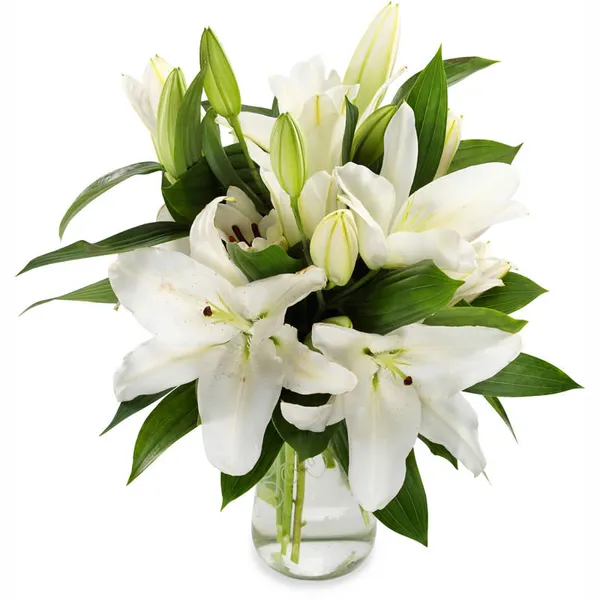
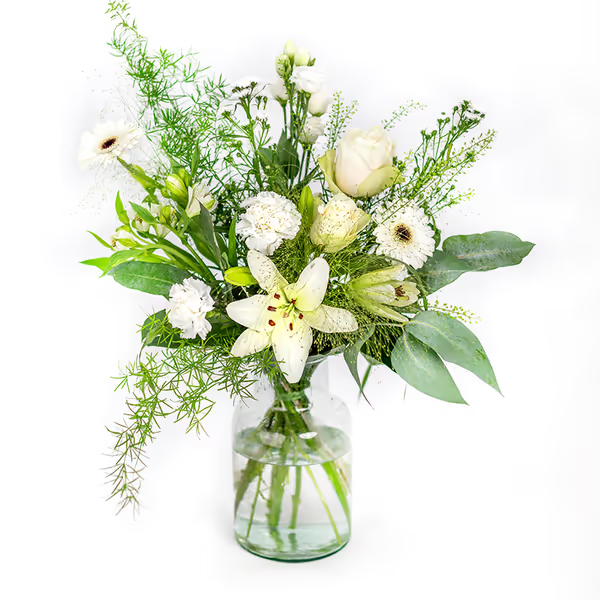
White Lilies
Why Do Flowers Smell? The Science Behind Floral Scents
Some flowers are live perfume bottles. Roses, freesia, and lilies you can smell from metres away. But others, you may as well be sniffing thin air, tulips, for instance.
Why some flowers smell, and others don’t, is because of chemistry, brought about via evolution, and also some deliberate choices made from human selection. This article is the guide you need for flower scents.
Why do flowers smell at all?
The reason flowers smell is to attract pollinators, and in some cases, to shoo unwanted visitors away. Their scents waft through the air, and the pollinators come.
"Food’s this way" is a decent way of looking at it. Fragrances contain chemicals that bees, drone flies, and others are tuned to detect.
Some flowers are also bred to have a more potent smell. We're talking, of course, about modified varieties from cross-breeding, such as sweet peas like 'Matucana'.
There are outliers. Tulips are scentless to people and most insects, instead attracting their pollinators with colours.
How flowers produce their scent
The cells in the flower produce volatile organic compounds. These are tiny molecules that evaporate. Air currents then move those molecules through the air, and the pollinator (and sometimes you) detects those as a smell.
We said ‘sometimes you’ because even though some flowers appear scentless, they are detectable by insects. Insects do not smell through a nose but detect chemicals via their antennae, sometimes from a significant distance away.
Those chemical compositions are unique to their flowers - every bloom would be indistinguishable to your nose otherwise.

Scent as a survival strategy for pollinators
Pollinators are sometimes picky about the pollen and nectar they pick up, and some flowers have similar scent compounds.
You've likely seen the confusion that comes from similar flower scents play out in insect behaviour. A butterfly hovering next to a flower and then fluttering away may be a sign that it didn't find what it thought was food.
The flowers produce a concentrated scent that the pollinator is evolutionarily locked to detect. It might get confused sometimes, but the hit rate is high enough.
Some tuberoses show this well enough: its most potent scent gets released in the evening, timed to match the pollinating moths that come out after dark.
The strongest-smelling flowers in the world
Starfighter lilies are our first entry for their tropical scent, akin to mango, coconut, and warm spice thrown together into a blender. One stem will fill an entire room.
Then there’s hyacinths. These have a sweet scent similar to golden syrup. A musky note under that makes them earthy.
A sweeter, more buttery scent comes from gardenias. They smell like jasmine and pear, a light scent that’s the foundation for multiple perfumes.
Circling back to the tuberose, that flower is intense and slightly odd in that it smells different among people. It’s a thick, earthy scent reminiscent of grapes.
Moving on to cut flowers popular in florist shops. We have peonies with a sweetness and faint citrus, and roses with their wine-like sweetness.
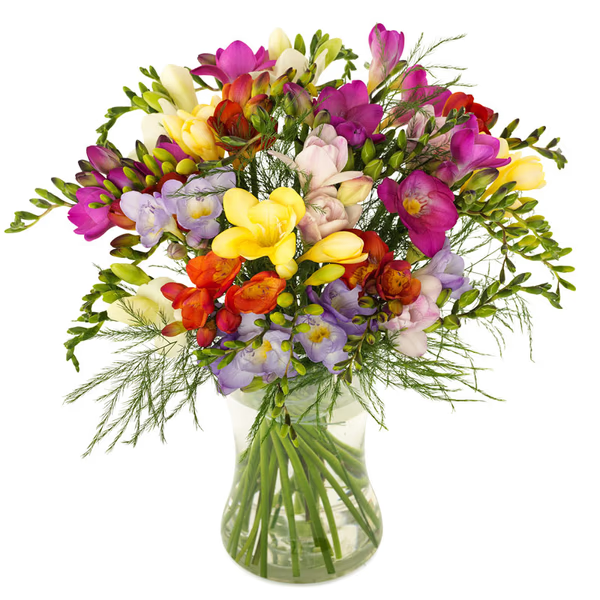
Freesia can be potent, with a honeyed sweetness and dark fruit overtone.
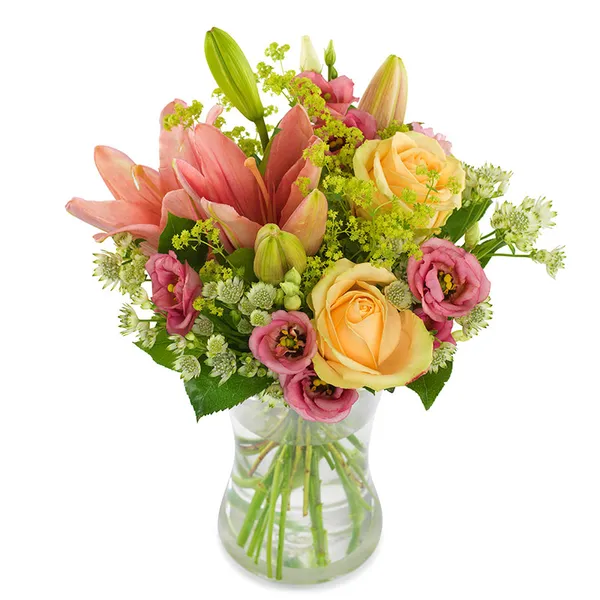
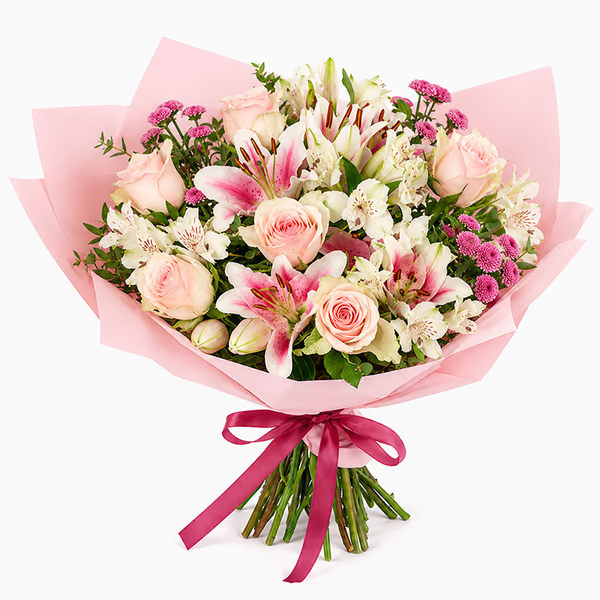
Most bouquets use a combination of these flowers, and some florists design their arrangements around scent profiles, such as earthy, sweet, and romantic, or they at least note those profiles on labels.
Why some flowers have no scent at all
Energy conservation is the big reason for no scent. Not every flower can afford to produce the chemicals that make scents. Evolution made it so that some of the flowers that rely on pollination produce bold colours instead of scents.
Some flowers are wind-pollinated and release their pollen into the air - creating scents attracting pollinatiors would have little use.
A number of flowers are bred to have no fragrance, and some popular cut flowers had their scents unintentionally removed over generations in a sign that they prioritised colour, size, shape, and vase life over smell. Most tulips, calla lilies, and alstroemeria have no noticeable scent.
The science of scent and human psychology
Our sense of smell is typically great at sniffing out flowers. So much so that we instantly know if we love them.
But those smells we love, boy, do we love them. It’s why we keep planting flowers in our gardens, pruning them, and ensuring they keep coming back. The whole floral experience is one that we enjoy, and scents play a leading role in that.
Smells also trigger our memories and remind us of the people and things we love. Flowers are eternally popular in gift-giving, and that’s a reason why.
Why we smell flowers the way we do is all thanks to shared chemistry. We evolved to sniff out food, and flowers often make some of the same compounds found in fruits. What we smell is something that tingles our senses, good or bad.
It’s no coincidence that you also return to what you love. For instance, buying roses instead of other flowers. You’re buying for the smell as much as the look.
Final thoughts – a shared sense for flowers
Pollinators fly their way over to scented flowers searching for the nectar and pollen they need for food. There are flowers with no scent that rely on bright colours to attract insects, but most have at least some scent to them.
We, humans, do no such thing. We certainly don’t sniff out the flowers for their pollen, but we do recognise when they smell good and welcome them into our homes and gardens. You can do much worse to make your space more natural.
Worth reading next: Flower encyclopedia