Clematis: The Queen of Climbers and Flowering Elegance

Clematis is a spectacular flowering vine beloved for its wide variety of bloom shapes, sizes, and colours—from delicate star-like petals to large, showy flowers in purple, white, pink, red, and blue. Star-shaped cut clemantis flowers on twining, slender stems add lightness, movement, and a romantic character to compositions that no other flower can replicate.


purple clematis on a grey background
Fact icon

COMMON NAME

Clematis

Fact icon

BOTANICAL NAME

Clematis spp.

Fact icon

ORIGIN

Asia, Europe, North America

Fact icon

FLOWERING TIME

Late spring to early autumn (varies by type)

Fact icon

SYMBOLISM

Mental beauty, creativity, aspiration, intelligence

How to Care for Cut Clematis in a Vase

Cut clematis requires a slightly different approach than most cut flowers. Above all, it needs a large supply of fresh, cold water, so use a tall vase filled generously and top up the water daily. With each water change, recut the stems at an angle using a sharp knife.

Remove all leaves that would fall below the waterline — decomposing foliage shortens vase life significantly. 

The key rule is to avoid ethylene — clematis is extremely sensitive to it, so keep it away from ripening fruit, spent flowers, and heat sources. Place the vase in a cool, bright location away from direct sunlight — warm and dark rooms dramatically shorten its vase life.

When buying, choose stems with half-open buds rather than fully open blooms — they will stay fresh for longer. With proper care, cut clematis lasts a minimum of 10 days in a vase, and in a cool room up to 3 weeks.

Care Tips for Clemantis in the Garden or Pot

Sunlight: Most clematis varieties prefer full sun for at least 6 hours a day, but their roots should remain cool and shaded—plant low-growing perennials or use mulch around the base.


Watering: Water deeply and consistently, especially in dry weather. Keep the soil evenly moist but not soggy.


Soil: Clematis thrives in well-drained, fertile soil. Add compost or well-rotted manure to enrich the planting hole.


Support: Provide a trellis, fence, arch, or obelisk—clematis climbs using leaf petioles and needs a structure to wrap around.


Pruning: There are three pruning groups (1, 2, 3) depending on the flowering time. Knowing your clematis type is key:

- Group 1: Prune lightly after spring flowering

- Group 2: Light prune in late winter and deadhead after first bloom

- Group 3: Hard prune in late winter or early spring to about 30 cm (12 inches)


Feeding: Apply a balanced, slow-release fertiliser in spring and again after flowering.


Pot care: Use a deep container (at least 45–60 cm), provide support, and water more frequently in hot weather.
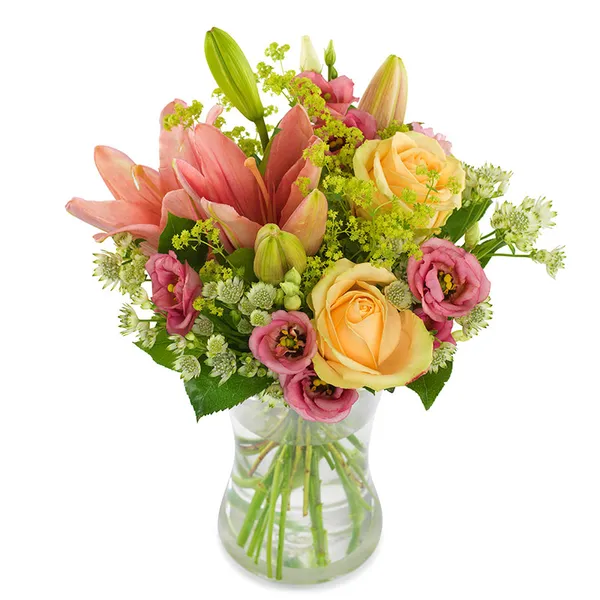
Symbolism & Meaning

Clematis stands for mental beauty, creativity, and the pursuit of goals. In the Victorian language of flowers, it symbolised the idea of travel, ambition, and cleverness—a plant associated with people who dream big and reach high. Because it gracefully climbs and wraps around structures, it’s also seen as a metaphor for growth, adaptability, and the desire to connect.

Types of Cornflowers

Most commonly, cornflowers are vivid blue, but there are also varieties in white, pink, purple, and dark burgundy.


Popular types include:

- Centaurea cyanus ‘Blue Boy’ – The classic, intense blue variety.

- ‘Black Ball’ – Deep, almost chocolate-coloured blooms.

- ‘Polka Dot Mix’ – A pastel mix in pink, lavender, blue, and white.

Frequently Asked Questions About Clematis

Pruning time depends on the type of clematis:

  • Group 1 (early-flowering, e.g. alpina): prune after flowering in late spring.

  • Group 2 (large-flowered hybrids): prune lightly in early spring, removing weak stems and dead growth.

  • Group 3 (late-flowering): cut back hard in early spring, to about 30–50 cm above ground.

The best time to plant clematis is in spring (March–May) or early autumn (September–October). The soil should be warm and workable, but not frozen or waterlogged.


Plant clematis in a sunny or lightly shaded spot with cool roots. Dig a deep hole, enrich with compost, and bury the base of the plant 5–10 cm deeper than it was in the pot — this encourages strong shoots. Add a mulch or low-growing plants at the base to shade the roots, and provide a support structure for climbing.


Yes, many clematis varieties grow well in large containers (at least 45 cm deep). Use loamy, well-draining compost, and add drainage material at the bottom. Keep the roots shaded and moist, and place the pot in a sunny spot with support for climbing.


Take softwood cuttings in late spring to early summer. Cut a 10–15 cm long non-flowering shoot, remove lower leaves, and insert it into moist seed compost. Cover with a clear plastic bag or propagator and place in bright, indirect light. Roots should form in 4–6 weeks.


What clematis looks like in winter depends on the variety:

  • Most deciduous clematis (the majority) lose their leaves completely, and their stems appear bare or woody, especially after cutting back.

  • Evergreen clematis (like Clematis armandii) keep their foliage and look green year-round, though they may look a bit weathered in cold, windy areas.

Don’t worry if your clematis looks bare – that’s completely normal for winter, and it’ll bounce back in spring.

With proper care, clematis has a vase life of at least 10 days, and in a cool and light room up to 3 weeks. Cut clematis is one of the most romantic and underused stems in modern floristry. Its star-shaped flowers on twining, slender stems add lightness, movement, and a romantic, unique character to compositions.

Clematis Amazing® series is varieties specifically bred for cut floristry, available through Dutch suppliers. This series includes varieties in different colours and flower forms, selected for their durability as cut flowers and year-round availability from greenhouse cultivation. 

In Poland, clematis as a cut flower is still a niche choice — available primarily from specialist suppliers and larger florists — but its popularity in wedding and event floristry is steadily growing.

If you want to order cut clematis as a cut flower in Poland, it is advised to order it in advance.

Clematis works best as an accent and movement flower rather than a focal point. Smaller Viticella group varieties suit light, meadow-style boho compositions. Clematis also works well in wedding decorations — arches and centrepieces. Avoid tight arrangements in floral foam — clematis needs plenty of water and space for its stems.

Author

David Denyer

Euroflorist's Flower Expert

With over 35 years of floristry experience, David Denyer is a renowned master in his field. His talent and artistic vision have earned him numerous accolades and awards, establishing him as one of the industry's leading figures. David has captivated audiences worldwide, showcasing his passion for floristry in Europe, China, Australia, and America. His captivating demonstrations have left a lasting impression on floral enthusiasts globally. In 2023, David made a memorable appearance on the prestigious television show, Gardeners World, further solidifying his reputation as an exceptional florist. David's journey to success began in 1996 when he was named Interflora "Florist of the Year." Since then, he has represented the United Kingdom in the "Europa Cup" and achieved consecutive Chelsea Gold Medals and Best in Show titles at the renowned Chelsea Flower Show from 2000 to 2003. In July 2004, David was once again named Interflora "Florist of the Year" and led his team to victory at the Interflora World Cup in Melbourne, Australia. He continued to impress with another Chelsea Gold Medal in 2005 and received a Gold Medal in 2011 for his floral installation titled "A Sense of Perspective." David's Accolades: July 1996: Interflora "Florist of the Year"; September 1999: Represented the UK in the "Europa Cup" in Austria; May 2000-2005: 6x Consecutive Chelsea Gold Medal and Best in Show - Professional Floristry; July 2004: Interflora "Florist of the Year"; September 2004: Interflora World Cup Winners in Melbourne, Australia; 2011: Chelsea Gold Medal for "A Sense of Perspective" floral installation; 2023: Appeared on Gardeners World in 2023; David's vast experience and expertise now benefits Eflorist customers. Understanding the emotional power of flowers, he ensures that every customer receives the utmost delight when enjoying their thoughtfully sent bouquet.