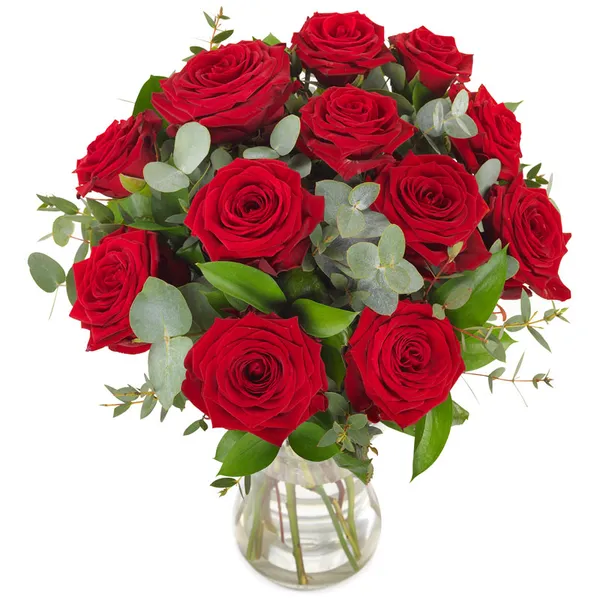
Eucalyptus is a versatile and aromatic foliage plant prized for its soft, silver-green leaves, soothing fragrance, and long-lasting beauty in both fresh and dried arrangements. Native to Australia, eucalyptus belongs to the myrtle family (Myrtaceae) and is now grown worldwide for its ornamental, medicinal, and aromatic uses. In floristry, eucalyptus symbolises protection, healing, purification, and renewal. Its graceful shape and muted tones add elegance and texture to bouquets, wreaths, and natural decorations.
COMMON NAME
Eucalyptus
BOTANICAL NAME
Eucalyptus spp.
ORIGIN
Australia
PEOPLE ALSO CALL IT
Gum tree
ASPECT
Full sun, well-drained soil
SYMBOLISM
Healing, protection, purification, renewal
There are over 700 species of eucalyptus, but these are the most common in floral design:
- Eucalyptus cinerea (Silver Dollar) – Round, silvery leaves with strong scent; popular in bouquets and wreaths.
- Eucalyptus populnea (Populus) – Large, broad leaves; elegant and soft in romantic designs.
- Eucalyptus gunnii (Cider Gum) – Blue-grey leaves with a sweet fragrance; great for both fresh and dried use.
- Eucalyptus nicholii (Willow Leaf) – Long, narrow leaves that add movement and airiness.
Whether fresh or dried, eucalyptus brings grace, fragrance, and natural elegance to every arrangement or space.

Trim stems at an angle: Improves water uptake and prevents blockage.
Change water regularly: Every 2-3 days to maintain freshness and reduce bacteria.
Combine with other flowers or use solo: Adds shape, movement, and scent to any arrangement.
Let it dry naturally: Eucalyptus dries beautifully—retain colour, fragrance, and form when hung upside down.
Eucalyptus represents cleansing, protection, and strength. Its healing scent and antimicrobial properties have made it a symbol of health, recovery, and emotional balance. In spiritual and holistic practices, eucalyptus is often used to purify spaces and protect against negative energy. As a gift, it’s associated with fresh starts, peaceful energy, and resilience—perfect for get-well wishes or housewarmings.
Eucalyptus oil is used for clearing blocked noses, relieving coughs, muscle pain relief, and as a natural insect repellent. It’s common in aromatherapy, balms, and cleaning products.
Hang fresh stems upside down in a dry, dark, and well-ventilated space for about 2-3 weeks. The leaves will dry beautifully and keep their scent. No need for additives.
Yes, eucalyptus is an evergreen plant, keeping its leaves year-round – even in winter. That’s part of its appeal in gardens and floral arrangements.
Eucalyptus has a fresh, minty-camphor scent that’s sharp, clean, and invigorating. It’s widely used for clearing sinuses and in relaxing aromatherapy.
Eucalyptus is one of the most versatile and widely available green additions in Polish floristry — available year-round in most florists and online flower shops. The most commonly found varieties are Eucalyptus cinerea (Silver Dollar) with round silvery leaves and Eucalyptus gunnii with blue-grey leaves. Eucalyptus has become particularly popular in Polish wedding floristry in recent years — its silver branches have become an almost essential element of garden and boho-style bouquets. Dried eucalyptus branches are also widely available year-round as part of the growing dried flower trend in Poland.
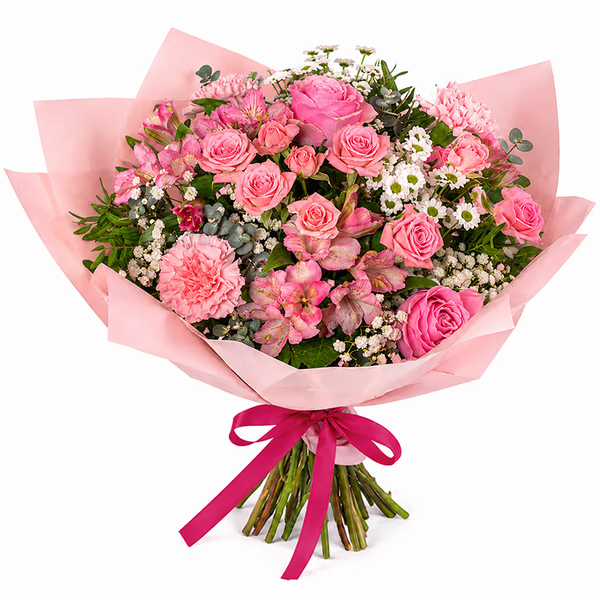
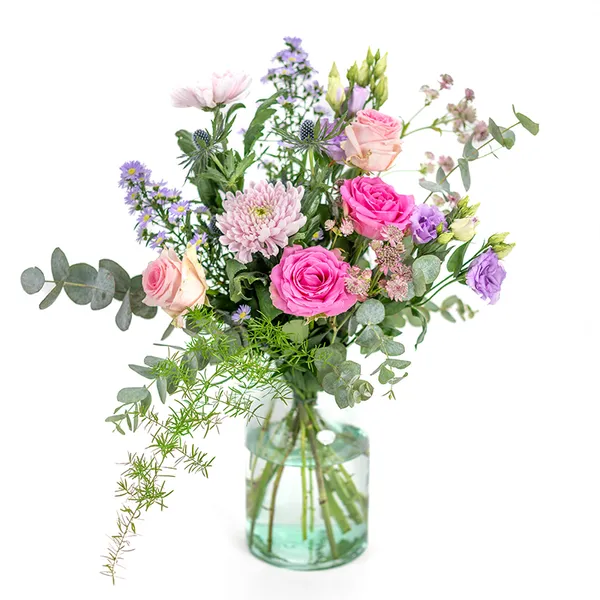
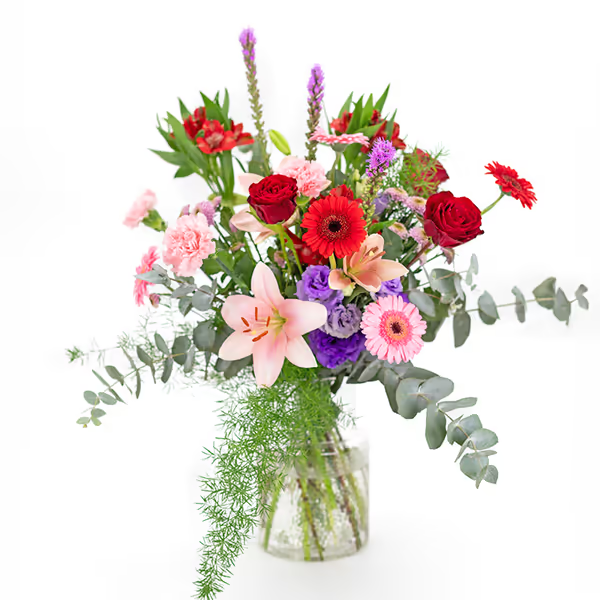
At Euroflorist Poland flower delivery, eucalyptus is one of our most frequently used green fillers, featured in many of our bouquets across all styles and budgets.
Eucalyptus is one of the most versatile green additions in floristry — it suits practically every composition style. In wedding bouquets, its silver branches add modernity and a natural character to roses, peonies, and lisianthus. In boho and rustic arrangements it pairs beautifully with dried grasses, allium, and astrantia. In minimalist compositions, a monobouquet of eucalyptus alone in different varieties creates a striking, aromatic home decoration. As one of the few cut foliage plants that dries naturally and beautifully, eucalyptus is an excellent ingredient for long-lasting home decorations, wreaths, and dried bouquets.
Eucalyptus is one of the most durable green foliage additions available in Poland — with proper care, cut branches can stay fresh in a vase for 2 to 4 weeks. This is significantly longer than most cut flowers. The key rules are changing the water every 2–3 days, cutting stems at an angle with each water change, keeping in a cool spot away from direct sunlight, and avoiding overheated rooms. Importantly — when eucalyptus begins to lose freshness, do not throw it away. It will naturally transition into a drying process, retaining its shape, colour, and fragrance for many more months.
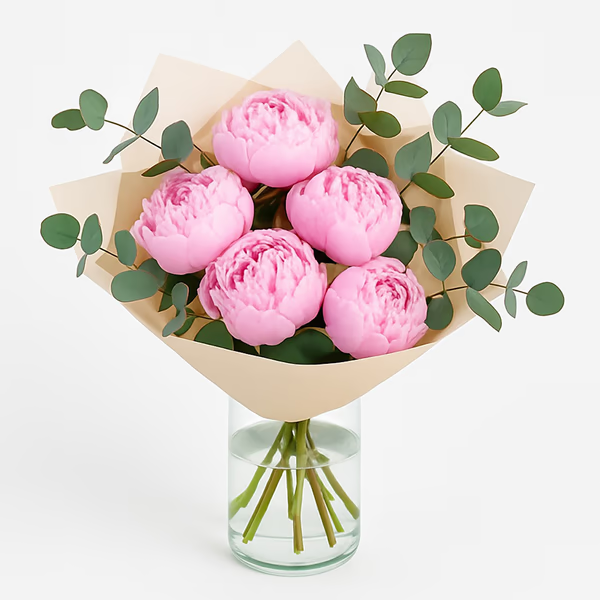
Eucalyptus is one of the most neutral and versatile green additions in floristry — it harmonises with virtually every flower without exception. Its silvery-grey, understated tone does not compete with any colour but rather enhances it. It looks particularly beautiful combined with roses (a classic of Polish wedding floristry), peonies (luxurious, garden-style compositions), lisianthus (romantic, delicate bouquets), and sunflowers and dahlias (summery, joyful compositions). The only practical note is to avoid combining eucalyptus with flowers from the Proteaceae family (protea, leucospermum) in a shared vase with floral food — both plants have different water requirements.
Yes — and a eucalyptus monobouquet is one of the most original and growing trends in Polish floristry. Contrary to what you might expect, eucalyptus does not need flowers to impress — its diversity of forms, colours, and textures is sufficient to create a striking, aromatic, and very modern composition.
The most beautiful eucalyptus monobouquets are created by combining several different varieties simultaneously: the round leaves of Silver Dollar form the centre of the composition, the delicate branches of Eucalyptus gunnii add lightness and movement, and the long, narrow leaves of Eucalyptus nicholii cascade down and add drama. Such a bouquet has a rich palette of greys, blues, and silver tones, an intense, calming fragrance, and exceptional durability — up to 4 weeks in a vase, and then it dries beautifully. It is an ideal gift for people who value natural, minimalist beauty without ostentation — or for allergy sufferers for whom intensely blooming bouquets can be problematic.
This is one of the most commonly reported problems among Polish buyers — and it has a very simple explanation. Eucalyptus, like any plant with essential oils, reacts with stagnant water in a specific way: leaves and stems submerged in water begin to decompose and release an unpleasant, intense smell that can be mistaken for the smell of a rotting plant. The solution is simple: change the water every 2 days (not every 3–4 days as with other flowers), thoroughly rinse the vase with each water change, remove all leaves that might fall below the waterline — even the smallest leaf in the water accelerates fermentation and generates unpleasant odour. Do not add floral food — eucalyptus does not need it, and some preservative ingredients can intensify the unpleasant smell.
Yes — to such a degree that eucalyptus has become a virtually essential element of Polish wedding floristry in recent years. Its silvery, aromatic branches now appear in almost every Polish wedding bouquet in garden, boho, and rustic styles. Eucalyptus brings several irreplaceable qualities to wedding compositions: a natural, modern character that warms even the most formal bouquets; a subtle, calming fragrance that complements (rather than dominates) the scents of flowers; exceptional durability — eucalyptus branches look fresh throughout the entire wedding day and long after; and versatility — it pairs with white roses, cream peonies, pastel lisianthus, and virtually every other wedding flower.