Gladiolus: The Majestic and Striking Bloom

Gladioli are tall, elegant flowers known for their striking, sword-shaped leaves and vibrant, trumpet-like blooms that grow in vertical spikes. They symbolize strength, integrity, and remembrance, making them a popular choice for formal arrangements, sympathy bouquets, and summer compotitions. Originating from Africa, the Mediterranean, and parts of Asia, gladioli come in a wide range of colors. Their dramatic height and colorful presence make them a favorite for adding structure and vibrancy to floral designs.


pink gladiolus on a grey background
Fact icon

COMMON NAME

Gladiolus

Fact icon

BOTANICAL NAME

Gladiolus spp.

Fact icon

ORIGIN

Africa, Mediterranean, Asia

Fact icon

PEOPLE ALSO CALL IT

Sword Lily

Fact icon

FLOWERING TIME

Summer to early fall (July to September)

Fact icon

ASPECT

Full sun

Fact icon

SYMBOLISM

Strength, integrity, honor, remembrance, infatuation

Care Tips for Cut Gladioli in a Vase

Cut at the Right Stage: Harvest gladioli when the bottom two to three flowers on the spike are open, while the upper buds are still closed.

Trim Stems at an Angle: Re-cut the stems diagonally before placing them in water to improve water absorption.

Use Tall Vases: Gladioli are tall flowers that need a sturdy vase for proper support.

Remove Lower Leaves: Strip any leaves that would sit below the waterline to prevent bacteria growth.

Change Water Regularly: Refresh the water every two days and use floral preservative to extend bloom life.

Keep in a Cool Spot: Place the vase in a cool location, away from direct sunlight and drafts, to prolong the flowers' lifespan.
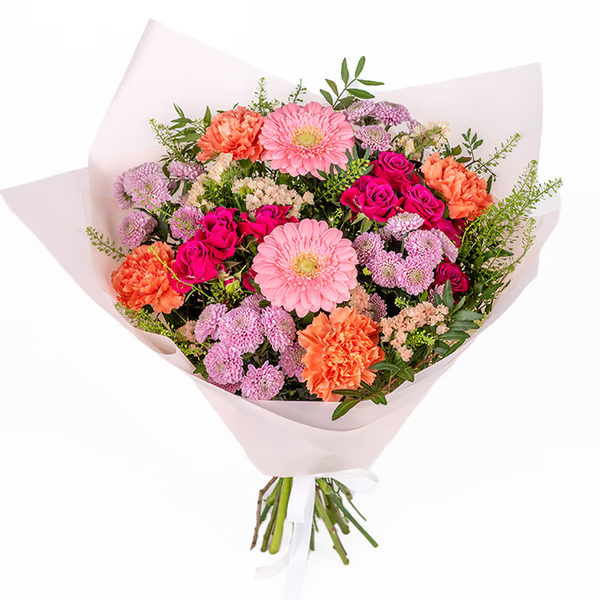

Symbolism & Meaning

Gladioli symbolize strength, integrity, and perseverance due to their upright growth and towering presence. In some cultures, they also represent infatuation, as their sword-like shape was historically linked to the phrase "piercing the heart with love." Gladioli are commonly used in sympathy arrangements to honor loved ones, as well as in celebrations of personal achievement and resilience.

Types of Gladioli

Gladioli come in a variety of forms and sizes, with Grandiflora Gladioli being the most popular, known for their large, showy blooms arranged along tall spikes. Nanus Gladioli are shorter and more compact, making them ideal for smaller gardens and pots. Butterfly Gladioli feature ruffled, delicately patterned petals, adding a softer, more whimsical look to floral displays. With their bold colors and vertical elegance, gladioli are a stunning addition to gardens and arrangements alike.

In Which Bouquets do Gladioli Look Best?

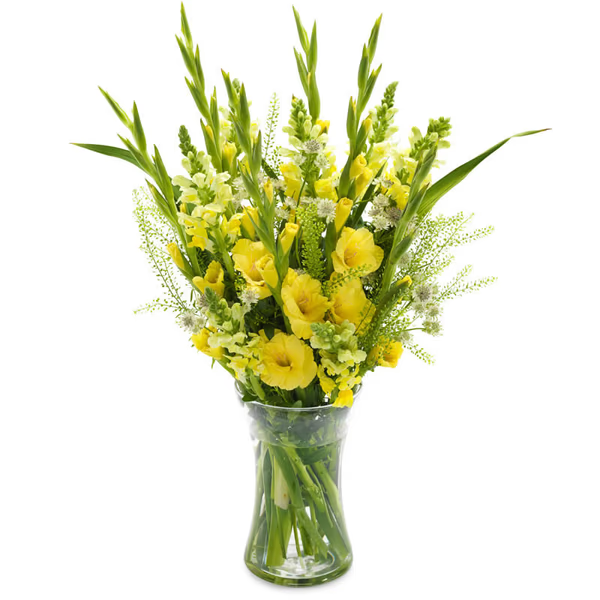
Gladioli really are statement flowers that work best when given space to shine. Their tall, vertical spikes and densely packed blooms make them a natural fit for loose, spacious meadow-style arrangements, where their height adds drama and structure without overwhelming the composition.

They also look stunning in monobouquets — a single colour or variety of gladioli arranged together creates a bold, elegant display that works beautifully as an interior decoration. For mixed arrangements, gladioli pair well with other tall summer flowers such as sunflowers, delphiniums, and dahlias.

Avoid overly tight or compact bouquets — gladioli need room to breathe and are best appreciated when their full spike is visible.

Frequently Asked Questions About Gladioli

Gladioli bulbs (technically corms) should be planted in spring, once the danger of frost has passed and the soil has warmed to at least 10°C.

In most climates, this means planting from March to May, depending on the region.

To enjoy continuous blooms throughout the summer, stagger plantings every 2 weeks until early summer.

Gladioli bloom approximately 70-100 days after planting, depending on the variety and climate.

If planted in spring (April-May), they will typically flower between July and September.

By staggering the planting every two weeks, you can extend the blooming period for several months.

  • Choose the right location:
    • Gladioli thrive in full sun (at least 6 hours per day) and well-drained soil.
  • Prepare the soil:
    • Loosen the soil and mix in compost or organic matter for better drainage and nutrients.
  • Planting depth and spacing:
    • Plant corms 10-15 cm deep with the pointed end facing upward.
    • Space them 15-20 cm apart to allow proper airflow and growth.
  • Watering:
    • Water thoroughly after planting and keep the soil evenly moist but not soggy.
  • Support taller varieties:
    • Some gladioli varieties can grow 120 cm tall, so staking may be needed to prevent them from bending.

In warm climates, gladioli are perennials and can be left in the ground year-round.

In colder climates, gladioli corms do not survive winter and must be dug up and stored indoors to be replanted the following year.

Some smaller or wild varieties of gladiolus (e.g., Gladiolus nanus) are more cold-hardy and may survive mild winters.

Deadhead spent flowers: Once the flowers fade, remove the flower spikes to redirect energy to the corm.

Keep the foliage: Allow the leaves to remain until they turn yellow, as they continue to nourish the corm for the next season.

Water less frequently: Reduce watering after flowering to allow the plant to enter dormancy.

In warm climates: Simply leave the corms in the ground to rebloom next year.

In cold climates: Dig up the corms (read more in the next question).

In cold climates (zones 3-7), gladioli corms should be dug up in autumn, usually 4-6 weeks after flowering, when the leaves turn yellow.

  • How to lift and store gladiolus corms:
    1. Cut back the foliage to 5-7 cm above the corm.
    2. Carefully dig up the corms with a fork, shaking off excess soil.
    3. Allow them to dry in a warm, well-ventilated place for 1-2 weeks.
    4. Remove and discard old, shriveled corms (new corms form on top).
    5. Store the healthy corms in a cool, dry, frost-free place (2-7°C), ideally in a paper bag or mesh sack.

Yes, gladioli are toxic to cats if ingested. The corms (bulbs) and flowers contain toxic compounds that can cause:
Vomiting
Drooling
Lethargy
Diarrhea
If a cat eats gladiolus flowers or corms, consult a veterinarian immediately.

Gladioli are a classic and deeply traditional flower in Poland — they are widely available in florists and markets from July to September, making them one of the most recognisable summer flowers on the Polish market. They are particularly popular as funeral and cemetery flowers, especially around All Saints' Day (1st November), when white, purple, and burgundy gladioli are among the most commonly chosen blooms. Outside the summer season, cut gladioli are rarely available in Polish florists. If you want to be notified about gladiolus availability, simply subscribe to our newsletter — we regularly announce the availability of seasonal flowers.

Yes — gladioli are one of the most traditional funeral and cemetery flowers in Poland. Their tall, elegant spikes and dignified appearance make them a popular choice for funeral bouquets, wreaths, and grave decorations. White gladioli symbolise purity and remembrance, while purple and burgundy varieties convey respect and honour. They are particularly sought after around All Saints' Day (1st November), when demand for gladioli in Poland peaks significantly.

Author

David Denyer

Euroflorist's Flower Expert

With over 35 years of floristry experience, David Denyer is a renowned master in his field. His talent and artistic vision have earned him numerous accolades and awards, establishing him as one of the industry's leading figures. David has captivated audiences worldwide, showcasing his passion for floristry in Europe, China, Australia, and America. His captivating demonstrations have left a lasting impression on floral enthusiasts globally. In 2023, David made a memorable appearance on the prestigious television show, Gardeners World, further solidifying his reputation as an exceptional florist. David's journey to success began in 1996 when he was named Interflora "Florist of the Year." Since then, he has represented the United Kingdom in the "Europa Cup" and achieved consecutive Chelsea Gold Medals and Best in Show titles at the renowned Chelsea Flower Show from 2000 to 2003. In July 2004, David was once again named Interflora "Florist of the Year" and led his team to victory at the Interflora World Cup in Melbourne, Australia. He continued to impress with another Chelsea Gold Medal in 2005 and received a Gold Medal in 2011 for his floral installation titled "A Sense of Perspective." David's Accolades: July 1996: Interflora "Florist of the Year"; September 1999: Represented the UK in the "Europa Cup" in Austria; May 2000-2005: 6x Consecutive Chelsea Gold Medal and Best in Show - Professional Floristry; July 2004: Interflora "Florist of the Year"; September 2004: Interflora World Cup Winners in Melbourne, Australia; 2011: Chelsea Gold Medal for "A Sense of Perspective" floral installation; 2023: Appeared on Gardeners World in 2023; David's vast experience and expertise now benefits Eflorist customers. Understanding the emotional power of flowers, he ensures that every customer receives the utmost delight when enjoying their thoughtfully sent bouquet.