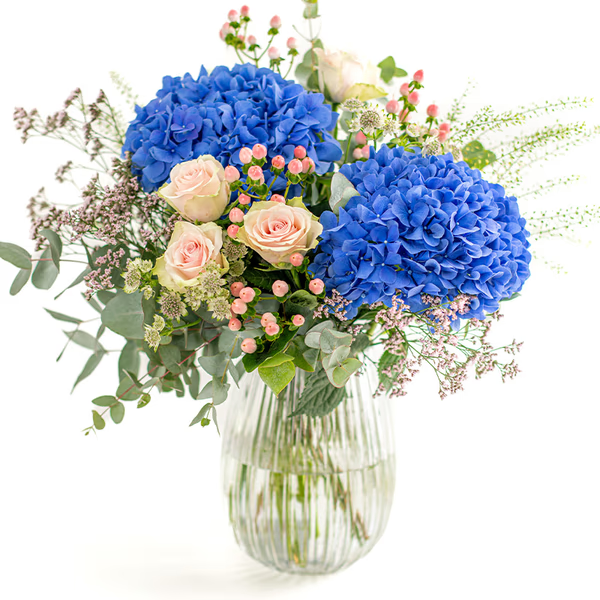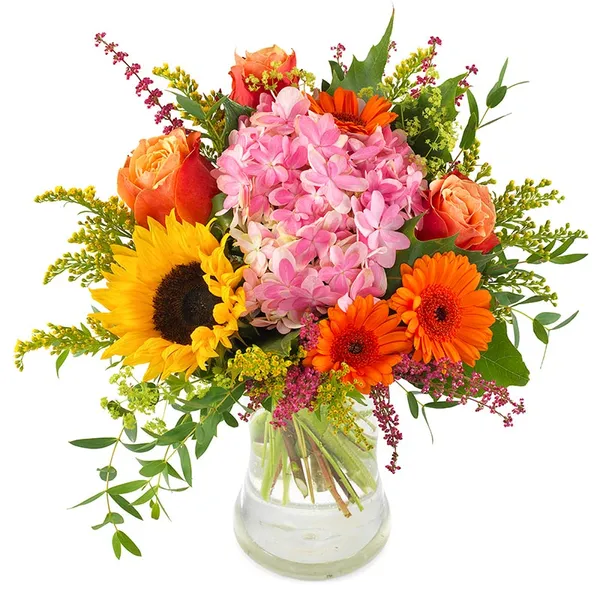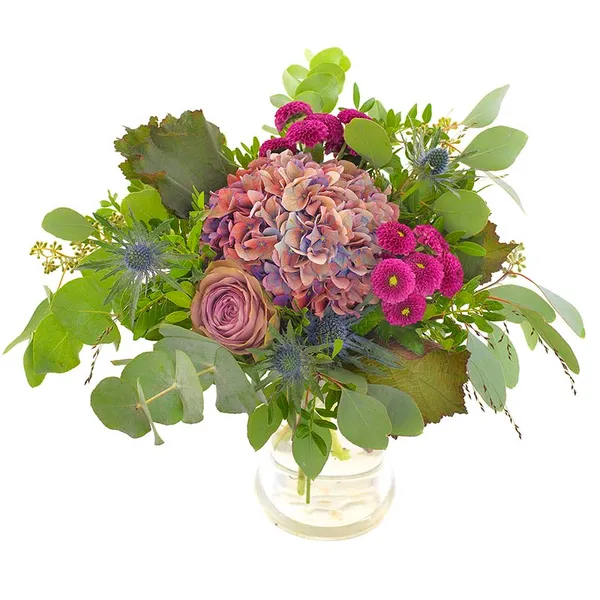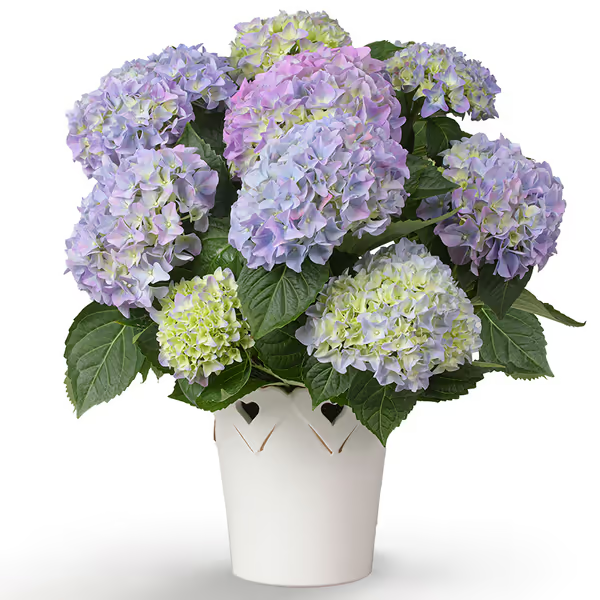
Hortensja to jeden z najbardziej uwielbianych kwiatów, słynący ze swoich obfitych, kulistych lub stożkowatych kwiatostanów i delikatnych, romantycznych kolorów. Ze względu na swoje duże, przypominające chmury skupiska kwiatów, symbolizuje wdzięczność, wdzięk oraz szczere, głębokie uczucia. Ten piękny kwiat pochodzi z Azji i Ameryki. W Polsce hortensja jest symbolem letniego ogrodu i stała się ulubieńcem w dekoracjach ślubnych oraz trwałych kompozycjach. Jest wyjątkowa, ponieważ kolor jej kwiatów może zmieniać się zależnie od pH gleby - kwaśna ziemia sprzyja barwom niebieskim, a zasadowa - różowym. Ta wszechstronność, uroda i symbolika sprawiają, że hortensja jest ponadczasową klasyką florystyki.
COMMON NAME
Hydrangea
BOTANICAL NAME
Hydrangea spp.
ORIGIN
Asia, Americas
PEOPLE ALSO CALL IT
Hortensia
FLOWERING TIME
Summer (June to September)
ASPECT
Partial shade to full sun
SYMBOLISM
Gratitude, grace, heartfelt emotions, abundance
Przycinaj łodygi pod wodą: Łodygi należy ukośnie ciąć, zanurzając je jednocześnie w wodzie. To zapobiega zasysaniu powietrza, co jest największą przyczyną więdnięcia hortensji.
Kąpiel w letniej wodzie (reanimacja): Jeśli kwiaty wyglądają na zwiędłe, można je reanimować, zanurzając całe główki w letniej wodzie na około 30 minut.
Codzienna zmiana wody: Utrzymuj wazon w idealnej czystości i codziennie wymieniaj wodę na świeżą.
Metody przedłużania trwałości: Końcówki łodyg można zanurzyć na kilka sekund we wrzącej wodzie lub użyć proszku ałunowego (dostępnego w aptece), aby "zapieczętować" pory łodygi i poprawić wchłanianie wody.
Unikaj ciepła i słońca: Postaw hortensje w chłodnym, jasnym miejscu, z dala od bezpośredniego słońca i przeciągów.
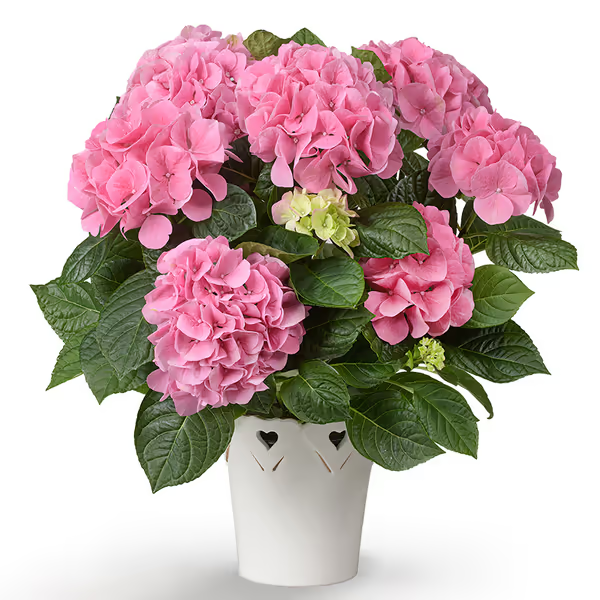
Wymagania świetlne: Hortensje najlepiej czują się w miejscach, gdzie mają słońce rano i cień po południu. Zbyt ostre słońce w najgorętszej części dnia może powodować więdnięcie liści.
Podlewanie: Potrzebują stałej wilgotności. Podlewaj, gdy tylko wierzchnia warstwa ziemi stanie się sucha. Zapewnij dobry drenaż, aby woda nie zalegała.
Podłoże i drenaż: Używaj bogatej, przepuszczalnej ziemi, najlepiej z dodatkiem kompostu, która zatrzyma wilgoć, ale nie będzie zbyt ciężka.
Nawożenie: Nawoź raz w miesiącu nawozem przeznaczonym dla roślin kwasolubnych, szczególnie jeśli chcesz utrzymać niebieski kolor kwiatów.
Przycinanie: Przycinaj w zależności od odmiany - niektóre kwitną na pędach zeszłorocznych (wiosenne cięcie je usunie!), inne na pędach tegorocznych (te przycinamy wczesną wiosną). W Polsce najczęściej przycina się je pod koniec zimy lub wczesną wiosną.
Hortensja niesie ze sobą bogaty wachlarz uczuć, a jej symbolika jest równie obfita jak jej kwiatostany. Zasadniczo jest symbolem wdzięczności, głębokiego zrozumienia i szczerego wyrażania emocji. Ze względu na jej kulisty, pełny kształt, hortensja często kojarzona jest z obfitością i dostatkiem. Kolory odgrywają kluczową rolę w mowie hortensji: Różowe oznaczają miłość i romantyczne, szczere uczucia, Niebieskie mogą być gestem przeprosin i prośbą o wybaczenie, a Białe symbolizują czystość i wdzięk. Pomimo delikatnego wyglądu, hortensja jest również znakiem wytrzymałości, ponieważ doskonale radzi sobie w różnych warunkach.
W florystyce i ogrodnictwie spotyka się kilka popularnych typów hortensji, różniących się kształtem i mrozoodpornością. Najczęściej spotykana jest Hortensja ogrodowa (Hydrangea macrophylla), z kulistymi (tzw. mophead) lub płaskimi (lacecap) kwiatostanami, której barwa zależy od pH gleby. Dużą popularnością cieszy się również Hortensja bukietowa (Hydrangea paniculata) - mrozoodporna, o stożkowatych kwiatach, które jesienią zmieniają kolor z białego na różowy. W ogrodach często sadzona jest Hortensja krzewiasta (Hydrangea arborescens), znana z odmiany 'Annabelle', charakteryzującej się ogromnymi białymi kulami. Warto wspomnieć także o Hortensji dębolistnej (Hydrangea quercifolia), rozpoznawalnej po liściach przypominających liście dębu, która jesienią pięknie się przebarwia na czerwono.
Take softwood cuttings in late spring or early summer. Choose non-flowering shoots around 10-15 cm long. Remove the lower leaves, dip the base in rooting hormone, and plant them in moist compost. Cover with a plastic bag or propagator and place in bright, indirect light. Roots form in 2-4 weeks.
Prune Hydrangea macrophylla lightly in early spring, only remove dead wood and last year's flowerheads. Paniculata and arborescens types can be cut back harder in late winter or early spring to shape and encourage stronger blooms.
Roots usually develop within 2-4 weeks. Once rooted, they can be repotted and will grow steadily. After 2-3 months, you’ll have a young plant that can be planted outdoors.
Wait until the flowers feel papery, usually late summer. Cut long stems, remove leaves, and hang the heads upside down in a dry, dark, well-ventilated space. Alternatively, place them in a vase without water and let them air dry naturally. For better colour retention, keep out of direct sunlight and consider using silica gel for preserving intense colours.
This could be due to sunburn, drought, wind damage, or frost. Over-fertilising or fungal diseases like leaf spot can also cause browning. Check soil moisture and light exposure.
Likely culprits are slugs, snails, vine weevils, or caterpillars. Check the leaves in the evening and look for holes or slime trails.
Yes, deadheading spent blooms helps keep the plant tidy and may encourage more flowers. For macrophylla types, wait until spring and cut just above healthy buds.
Most varieties bloom between June and September, with some lasting into October depending on type and weather.
Best planted in spring or autumn, when the soil is warm but not frozen. Avoid planting during heatwaves or frost.
In pots, they are more vulnerable. Protect them below -5 °C with fleece or bring them into a sheltered, frost-free place.
Transplant in spring or autumn, when the plant is dormant and the soil is mild.
Hydrangeas like moist, humus-rich, slightly acidic soil. For blue flowers, use ericaceous compost.
Most hydrangeas bloom for 6-12 weeks, some even longer.
1. Softwood cuttings (most common):
- Best done in late spring or early summer, when the new shoots are still green and flexible.
- Cut a 10–15 cm non-flowering shoot, remove lower leaves, and dip the cut end in rooting hormone.
- Plant the cutting in a small pot with moist potting compost, cover it with a clear plastic bag or place in a propagator.
- Keep it in a bright, warm spot (not direct sun) – roots should form in 2–4 weeks.
2. Layering (super easy method):
- Bend a low-growing branch to the ground (or into a nearby pot), nick the underside slightly, and cover it with soil.
- Hold it down with a stone or wire.
- After a few months, roots will form at the buried section – then you can cut and transplant it.
3. Division (for some varieties):
- In early spring or autumn, dig up the plant and carefully divide the rootball into two or more sections.
Panicle and oakleaf hydrangeas are best for sunny spots.
Most lose their leaves and look bare. Dried flowerheads often stay for winter interest.
Yes, hydrangeas are mildly toxic to humans. All parts of the plant – including leaves, stems, and especially the buds and flowers – contain compounds called glycosides, which can convert into cyanogenic compounds (similar to those in apple seeds). If eaten in large amounts, they can cause symptoms like:
Nausea
Vomiting
Diarrhoea
Abdominal pain
However, serious poisoning in humans is extremely rare, especially since the plant tastes unpleasant. Still, it’s a good idea to keep children from chewing on flowers or leaves, just in case.
Yes, hydrangeas are considered mildly toxic to dogs. The toxic substance is hydrangin, a cyanogenic glycoside found in all parts of the plant. If your dog eats a significant amount, it may experience symptoms such as:
Vomiting
Diarrhoea
Lethargy
Loss of appetite
In most cases, symptoms are mild and pass quickly, but you should contact your vet if your dog shows any signs of discomfort or if you know it ate part of the plant.
Yes, hydrangeas are also toxic to cats. Like in dogs, the compound hydrangin can cause gastrointestinal upset. Cats are usually more sensitive and might show:
Drooling
Vomiting
Diarrhoea
Disorientation (rare but possible if a large amount is eaten)
Cats tend to be curious nibblers, so it’s safest to keep hydrangeas out of reach if your cat has access to your garden or balcony.
Depending on type: 60 cm to over 2 metres tall and wide.
Possibly pruned too hard, late frost damaged buds, or too much shade.
In summer, every 1-2 days (especially in pots). Never let them dry out completely.
Every 2-4 weeks from March to July using hydrangea or acid-loving fertiliser.
Use acidic soil (pH below 6) and aluminium sulfate or hydrangea blueing agent. Only pink or blue types (macrophylla) can change colour.
Hydrangeas are relatively easy to care for, but they have a few needs to stay healthy and bloom well.
- Watering: Hydrangeas like consistently moist soil, especially during hot or dry weather. They don’t like to dry out, but also don’t tolerate soggy soil. For potted hydrangeas, check daily in summer.
-Light: Most varieties prefer partial shade – ideally morning sun and afternoon shade. Some types (like paniculata and quercifolia) can tolerate full sun, especially in cooler climates, as long as the soil stays moist.
-Soil: Use nutrient-rich, humus-rich soil with good drainage. They prefer it slightly acidic – especially if you want blue flowers.
-Fertilising: Feed your hydrangeas every 2–4 weeks from spring to midsummer (March to July) with a hydrangea-specific or acid-loving plant fertiliser. Avoid high-nitrogen fertilisers, as they encourage leaf growth over flowers.
-Pruning: Pruning depends on the type – macrophylla only needs light trimming, while paniculata and arborescens benefit from a harder cut in spring.
-Winter care: In the garden, most hydrangeas are hardy. However, potted plants need protection in winter – wrap them with fleece or bring them into a sheltered spot.
-Mulching: Add a layer of mulch (like bark or compost) around the base in spring. This helps retain moisture and protect roots.
➡️ With the right care, hydrangeas reward you with lush foliage and long-lasting blooms all summer long.