Cherishment & Warmth
How to Care for Cut Flowers – 10 Florist Tips.
Have you purchased a beautiful bouquet or received flowers delivered by courier? Fresh flowers in a vase not only add charm to any interior, they are often a heartfelt gift we’d love to keep fresh for as long as possible. So, what can you do to make cut flowers last longer? How can you extend their lifespan and enjoy them to the fullest?
Here are 10 proven tips from our florists!
10 Essential Flower Care Rules
Before we begin, it’s good to remember that certain flowers, such as tulips, may need individual care — we’ll cover those in separate blog posts. For now, here are the most universal and basic rules for conditioning and caring for cut flowers, helping extend their freshness so you can enjoy them much longer.
1. A clean vase
This is the number one rule of caring for cut flowers, and the one most often forgotten. Always use a clean vase (washed with soap, dishwashing liquid, or even disinfected) — leftover bacteria and residue can make flowers wilt faster. Wash the vase in warm water with detergent. A helpful habit: when throwing away wilted flowers, wash the vase before putting it back in the cupboard, so it’s fresh and ready for your next bouquet!


2. Water
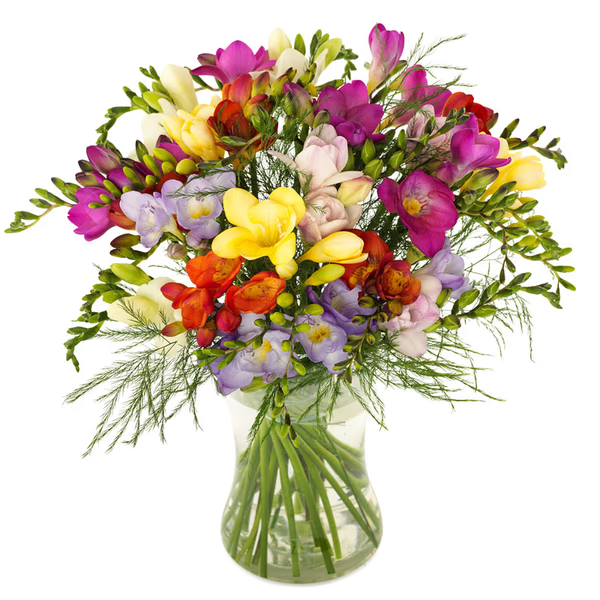
The water in the vase should be lukewarm, ideally filtered or boiled. The best temperature for cut flowers is 30–40°C, which helps them absorb it more easily.
Don’t overfill the vase — water should cover only about one-third of the stems. Too much water may cause rotting, especially in delicate flowers.
Change the water regularly — this is key. Each time, rinse the vase thoroughly. You can also gently rinse the stems.
3. Trimming the stems
Cut the stems about 1–3 cm from the bottom and place them in water immediately.
If stems have dried out (because they weren’t placed in water soon enough), trim them again.
Always use sharp scissors or a knife to avoid crushing the stems.
For flowers with woody or firm stems, cut at a sharp angle (about 45 degrees) to increase the water uptake surface. Tulips are an exception — see our post: How to Care for Cut Tulips?
Repeat this process every 2–3 days, removing wilted parts. Some flowers, like roses, need more frequent trimming because their stems close quickly.
Some florists also recommend briefly scalding certain flowers before placing them in water for the first time.
Cutting flowers from your own garden? Make sure your secateurs are sharp and clean. Cut quickly and cleanly to avoid damaging the plant. Flowers should be cut early in the morning or in the evening.
4. Removing leaves from stems
Before placing the bouquet in the vase, remove any leaves that would be submerged in water — they speed up rotting. Also remove wilted petals to prevent bacteria growth. For some flowers, like chrysanthemums, it’s good to remove excess side buds so the main blooms can develop better.
Important: remove leaves gently to avoid damaging the stems.
With roses, do not remove the thorns. For more rose care rules, see our post How to Care for Cut Roses?
5. The right placement
Avoid direct sunlight, drafts, and placing flowers near fruit — fruit releases ethylene, which accelerates flower aging. A fruit bowl next to a vase of cut flowers may look pretty, but it’s not a good idea!
The best place is cool, shaded, away from radiators, heating devices, and drafts.
6. Temperature
Cut flowers dislike heat and dry air. Keep them in a cool place, especially overnight. The optimal temperature for most cut flowers is 5–10°C. If possible, move the bouquet to a pantry or balcony at night (as long as the temperature stays above zero).
This is especially important in summer — in warm rooms, flowers won’t last as long. On hot days, change the water even daily.
7. Flower food
Add floral food to the water, usually included with your bouquet. It contains nutrients and antibacterial agents that prolong the flowers’ life.
8. Check and react
It’s worth checking the bouquet regularly. If leaves, petals, or debris fall into the water, remove them before they start to rot and encourage bacteria growth. Change the water frequently, especially if it becomes cloudy.
If you have a mixed bouquet, remember that different flowers age at different speeds. If one starts to die, simply remove it and enjoy the rest of the arrangement.
9. Choosing the right flowers
Pick flowers in buds, seasonal ones, local or long-lasting varieties.
In fact, keeping flowers fresh starts at the moment of purchase. Blooms already fully open may fade within a few days, while those in buds will unfold gradually and stay beautiful much longer.
When buying flowers as a gift or for yourself, choose those in buds — they’ll last longer. Seasonal flowers are a great choice too, as well as locally grown ones.
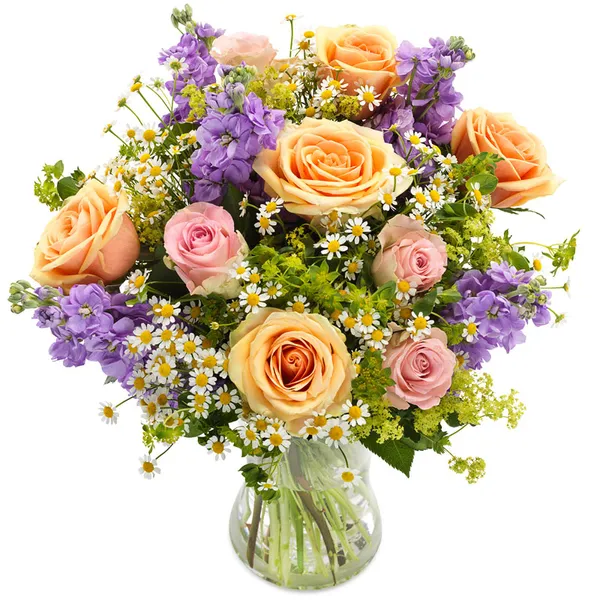
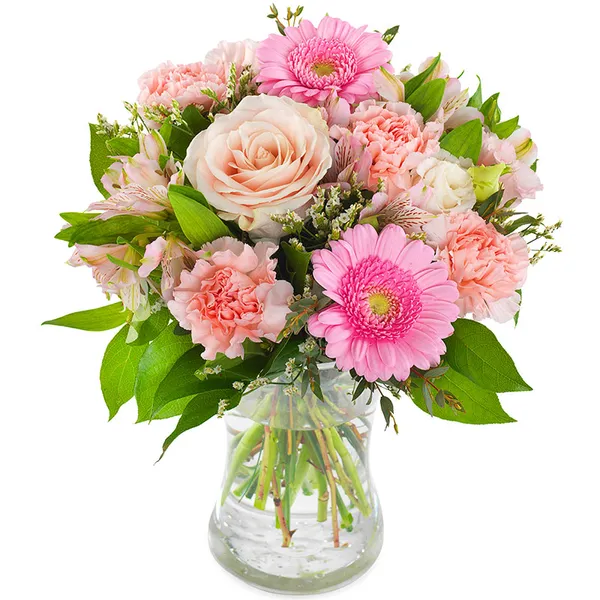
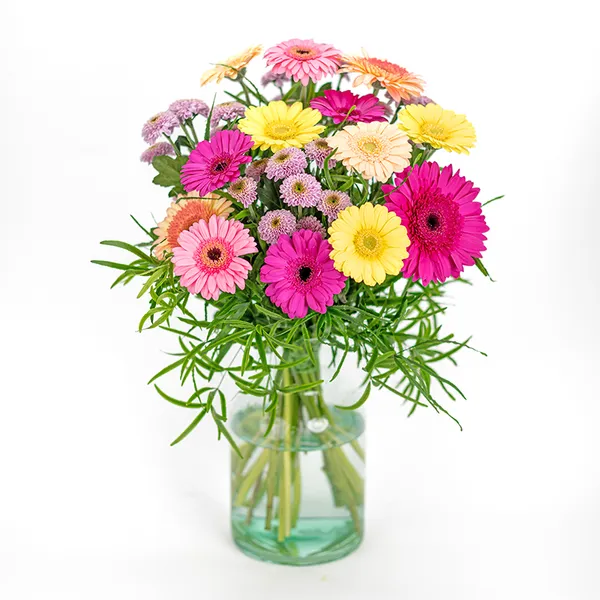
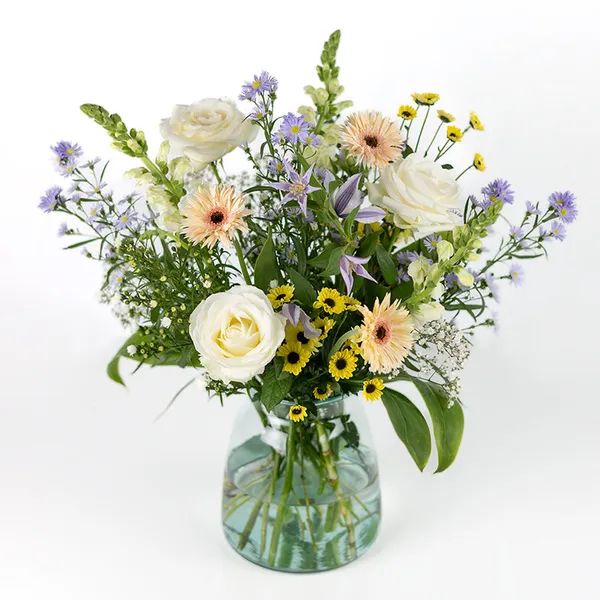
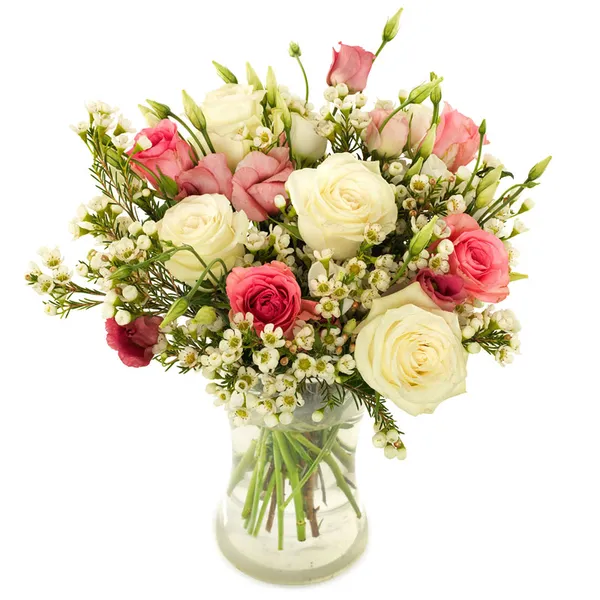
If you want your cut flowers to stay fresh in a vase for as long as possible, it’s best to choose varieties that are naturally long-lasting. So, which cut flowers last the longest?
Carnations are famous for their durability, often staying fresh for 18–21 days. Chrysanthemums can also last around 2–3 weeks, while anthuriums, with their fleshy blooms, keep their form beautifully for about 2–3 weeks. Alstroemerias are another excellent choice, remaining fresh for around 2 weeks. Gladiolus, with proper care, will look lovely for 10–12 days. Roses, depending on the variety, can stay fresh for up to 14 days. Sunflowers are surprisingly resilient, brightening up interiors for around 15 days. Asters last an impressive 18–21 days, while gerberas — very popular in Poland — stay fresh for up to 10 days.
10. Choose a flower box
Would you like your cut flowers to last longer but don’t have the time to check and care for them daily? A great solution is a flower box or an arrangement in a hatbox. Flowers placed in special floral foam have constant access to water, which reduces the need for everyday maintenance. The foam acts as a water reservoir, slowly hydrating the stems and preventing them from drying out — you only need to lightly water it when it becomes dry. Flower boxes are also a stylish décor option — elegant and modern, they fit perfectly into any interior.